


April 17, 2023
Analysis reveals increased number of cattle businesses in Australia in 2016-2021
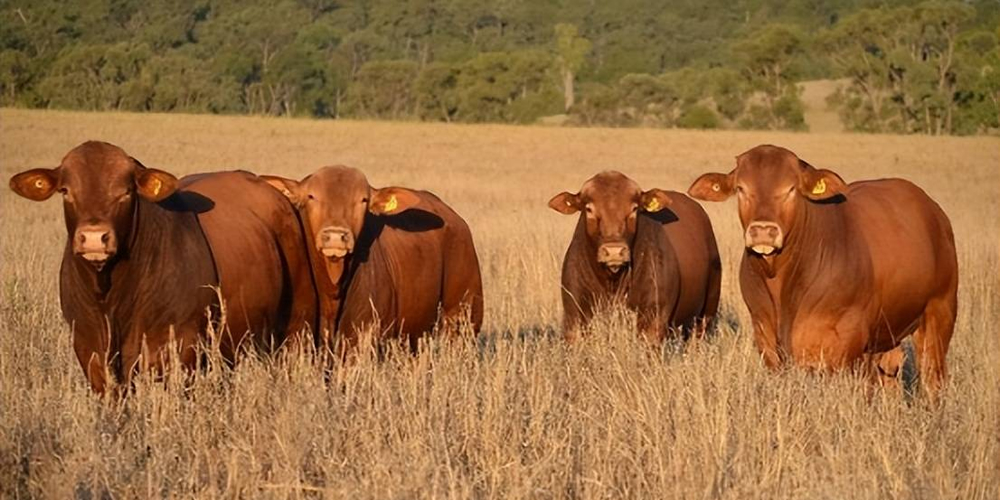
An analysis of Australian Bureau of Statistics data from 2016 and 2021 has been carried out to examine how Australia's cattle herd is changing at a state, category and Local Government Area level.
MLA's Market Information team found that during the 2016–2021 period, the number of businesses running cattle increased by 2% whereas the number of dairy enterprises has dropped by 23%. Declining heifer numbers in dairy herds indicated a structural move away from dairy cattle in Australia.
Looking at the trends across the dairy and beef industry, significant changes have occurred across the national herd between 2016 to 2021.
According to the ABS, the number of enterprises running cattle has increased 2% – this is an increase wholly from beef businesses.
Over 2016–2021, the number of businesses running meat cattle increased 4% while the number of dairy businesses dropped 23%. This trend could be expected to continue as the number of businesses running dairy heifers fell 27% between 2016 and 2021, equating to a drop of 83,000 dairy heifers.
Given heifers are the building blocks of a herd, declining heifer numbers indicate a structural move away from dairy cattle in Australia.
In contrast, 5% more enterprises were running beef heifers between 2016 and 2021 as producers rebuilt their herds post-drought. As a result, there were a 1,811 more businesses running beef cattle in 2021 compared to 2016.
Total cattle numbers (dairy and beef) rose in all states bar New South Wales and the Northern Territory.
Cattle numbers in Tasmania grew by 20%, Western Australia by 6%, Victoria by 3% and Queensland by 2%. Cattle numbers in South Australia were unchanged.
The number of total cattle in New South Wales fell 11% or 567,446 head. Cattle numbers in the Northern Territory were back 23% or 506,668 head. The drop in cattle numbers in New South Wales was driven by a reduction in cattle businesses, down 3% or 514 enterprises.
On an LGA basis, Toowoomba in southern Queensland saw the greatest increase in absolute cattle numbers – up 51% or 134,284 head.
There were minimal changes in cattle numbers in Hay, New South Wales; Adelaide Hills, Southern Australia; and the Mornington Peninsula, Victoria – under 100 head change.
The greatest drop in cattle numbers were mostly experienced in Queensland, namely, Maranoa, Central Highlands, Isaac and Balonne.
All these shires experienced drops of more than 50,000 head, largely as a result of drier conditions.
Northern Tasmanian towns Waratah-Wynyard and La Trobe saw the greatest percentage increase in the number of cattle run – each running more than ten times the cattle they were in 2016.
In terms of cattle businesses, six shires saw more than 50 net new businesses enter cattle production between 2016 and 2021. These shires were Toowoomba, Queensland; South Burnett, Queensland; Wangaratta, Victoria; Banana, Queensland; and South Gippsland, Victoria.
The five shires experiencing the biggest decline in cattle enterprises were Moira, Victoria; Armidale, New South Wales; Corangamite, Victoria; Warrumbungle, New South Wales; and the Snowy Monaro Shire, New South Wales.
In the shires of Corangamite and Armidale, more cattle per enterprises were being run in 2021, suggesting the rationalisation and expansion of existing businesses is more pronounced in these areas.
- MLA


