


April 16, 2025
Rethinking animal nutrition: How Evonik's 'Less is More' campaign is challenging industry norms
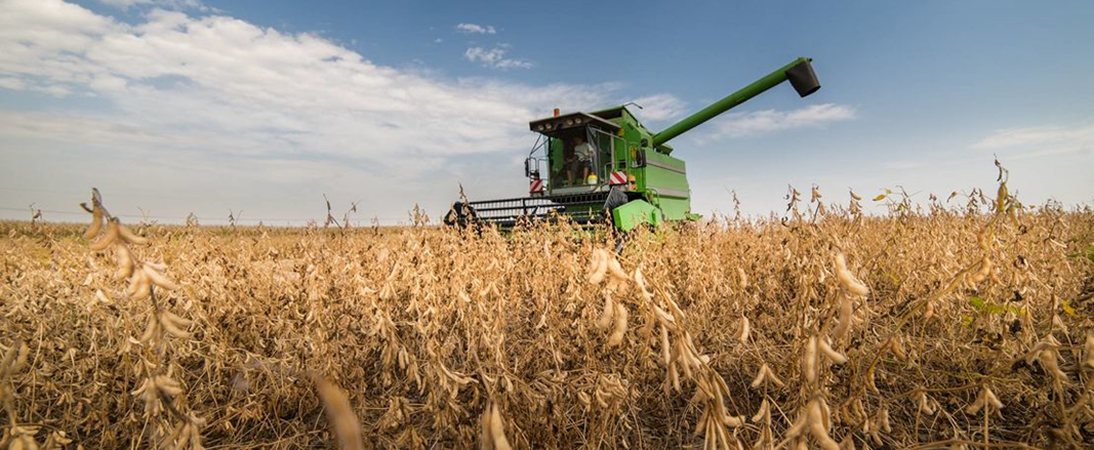
The animal nutrition industry is no stranger to glossy marketing campaigns featuring picturesque landscapes and idyllic farm scenes.
But Evonik is taking a different route with its "Less is More" campaign.
Instead of painting a perfect picture, the company is highlighting the real challenges faced by the industry—transparency, sustainability, and animal welfare—while advocating for meaningful change.
In this interview, Dr. Dirk Hoehler, Evonik's Head of Amino Acids Business (Animal Nutrition), and Yama Olumi, Head of Market Communications (Animal Nutrition), discuss the vision behind the bold initiative and how it sets Evonik apart from traditional industry strategies.
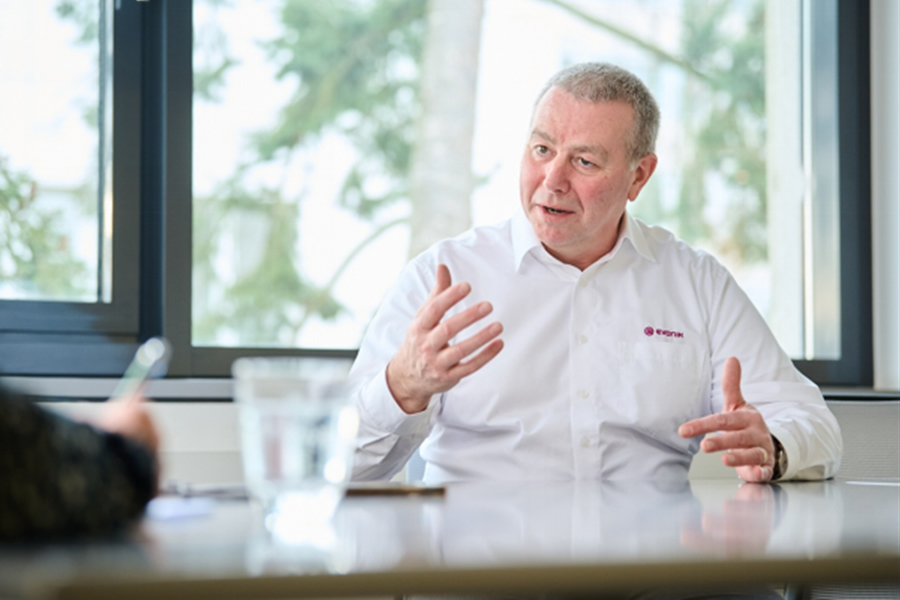
Dr. Dirk Hoehler, Evonik's Head of Amino Acids Business, Animal Nutrition
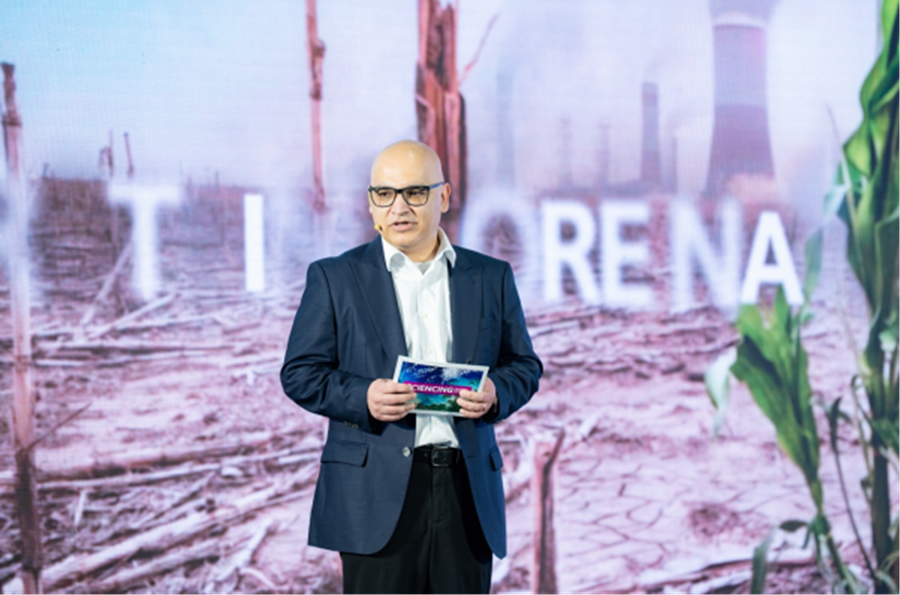
Yama Olumi, Evonik's Head of Market Communications
Can you elaborate on the "Less is More" campaign and its advocacy?
Dr. Dirk Hoehler: Last year, Yama and I discussed what our new campaign should look like. The first step was to analyse what our peers and competitors were doing. We noticed a trend—many campaigns featured picture-perfect farm scenes, with piglets on green grass, cows grazing under the sun, and chickens in pristine barns. The industry was striving to present an idyllic image to consumers.
We didn't want to contribute just another campaign in this endless loop of perfection. Instead, we wanted to stand out and create a conversation. Our approach was to be more transparent and openly discuss the challenges in the industry, addressing them through solutions like lower protein diets and reduced carbon emissions. The key focus areas were transparency and openness with industry stakeholders and the wider public.
Yama Olumi: We also wanted to tackle key issues such as sustainability—not only reducing our own environmental footprint but also helping our customers and end consumers lower theirs. Another major focus was animal welfare. But instead of showcasing green fields, we wanted to discuss the complexity of the issues.
The goal was to spark conversations. Our communication strategy aimed to be thought-provoking, sometimes even controversial, but always aligned with what consumers and industry professionals are genuinely concerned about. It focuses on initiating change from within the industry, rather than waiting for external regulations to dictate our actions.
How is this campaign different from traditional industry marketing strategies?
Dr. Dirk Hoehler: This campaign is truly different. It stands out, and that's exactly the feedback we've received from customers and industry publications. We first introduced it at EuroTier in Germany last November, then at PoultryIndia, followed by the IPPE in Atlanta, Georgia (the United States). Now, we're bringing it to Asia. Across all regions, the response has been the same: people notice the difference.
We are being bold and trying something new. The intention was always to break away from the mainstream and traditional marketing methods, and that's what we've achieved.
Our primary goal is to start a conversation. We want to encourage transparency and open dialogue about the challenges facing the industry. Of course, there's also a commercial aspect. By addressing sustainability and animal welfare through practical solutions like lower protein diets, we naturally highlight the role of our amino acids in feed formulations.
But this isn't about sugar-coating. It's about being honest, discussing challenges, and offering tangible solutions. Transparency is key.
Have you faced any backlash or negative reactions to the campaign?
Yama Olumi: At EuroTier, where we displayed large digital ads, we noticed curiosity more than controversy. I had anticipated some heated discussions at our booth, perhaps even criticism, but that didn't happen.
Why? Because industry professionals understand the realities we are portraying. Our visuals are not shocking to them—they reflect what they see daily. However, at public-facing events, the industry often presents an idealised image. That's why it's so important to have these conversations.
While we didn't encounter significant external challenges, there was some internal pushback within our organisation. Employees needed to prepare for customer inquiries related to the campaign. But overall, many customers appreciated our honest approach. They saw it as an opportunity to address real industry challenges rather than gloss over them.
We can start talking about the elephant in the room instead of pretending that everything is (fine).
Can you give an example of how this campaign translates into actionable strategies?
Dr. Dirk Hoehler: One of our key visuals highlights deforestation in the Amazon, where forests are being cleared for soybean plantations. Our solution? Lower protein diets that optimise feed composition to better match an animal's nutritional requirements. By doing this, we reduce the need for excessive soybean meal, cut feed costs, and lower nitrogen waste, which has additional environmental benefits such as reduced groundwater contamination and lower ammonia emissions.
This is a simple yet impactful connection—from large-scale environmental concerns down to practical, science-backed feed formulation improvements that benefit both farmers and the planet.
How does the current global political landscape affect Evonik's strategy?
Dr. Dirk Hoehler: Thanks to decisions made by our predecessors, we have developed a well-established global production network with facilities in Asia (including Singapore), the US, Brazil, Belgium, and Germany. This network is proving valuable during times of global trade tensions, such as those we are experiencing today.
Unlike other methionine producers who operate from a single region or country, our approach allows us to ensure stability and provide a reliable supply of our products, ultimately benefiting our customers and partners. This diversified approach has proven beneficial, particularly during the COVID-19 pandemic and the resulting supply chain crises.
That said, we advocate for free trade and globalisation. But as a business, we must be prepared to navigate the realities of global politics.
How do you see the future of feed and livestock farming aligning with the "Less is More" campaign?
Yama Olumi: Evonik has a long history as a pioneer in DL-methionine and animal nutrition. For over 65 years, we've been leading innovation in this field. This campaign reinforces that leadership, not just by selling products, but by proving that we are thought leaders willing to challenge industry norms.
True thought leadership isn't about saying what people want to hear. It's about saying what needs to be said. This is a little bit bigger than just a nice campaign that runs for two or three years. We believe in taking bold steps to address industry-wide issues, and we hope that our efforts will inspire others to contribute their own solutions, creating a movement for change.
How does Evonik incorporate artificial intelligence and digitalisation into its operations?
Dr.Dirk Hoehler: We have embraced AI and digitalisation in our production and technology sectors to enhance efficiency, optimise production, and reduce energy consumption.
However, when we attempted to introduce digital farm management software a few years ago, we realised the industry wasn't yet ready.
Many farms, even in developed countries, still rely on traditional methods like paper records and clipboards. I strongly believe in AI. While AI is undoubtedly the future, full-scale adoption in farming will take time, perhaps another three to five years—even in developed countries. Until then, we remain focused on improving our core technologies while staying prepared for the inevitable digital shift.
- Gemma Delmo and Nicholas Yong, eFeedLink


