


April 15, 2026
ASF disrupts Spain's pork exports
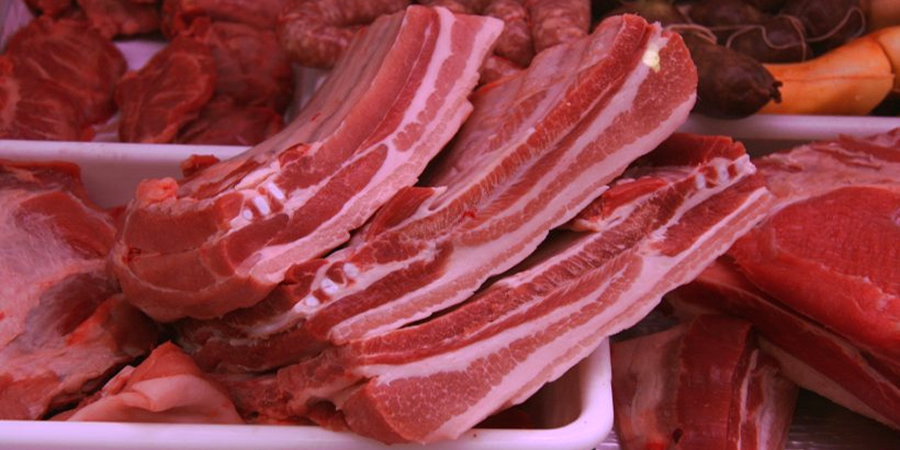
Spain's pork sector is facing mounting losses after an outbreak of African swine fever (ASF) in wild boar triggered export restrictions and pushed down pig prices.
The virus was detected in late November in Collserola Park on the outskirts of Barcelona, prompting authorities to shut down the area and launch containment measures.
Although the outbreak has not spread to commercial pig farms, producers across Spain are already feeling the financial impact.
Jordi Saltiveri, a pig farmer in Lleida and president of the federation of farming cooperatives in Catalonia, told the BBC that each pig sold for slaughter had lost between €30 (US$32.40) and €40 (US$43.20) in value since the outbreak began.
He warned that once a country is confirmed to have ASF, international buyers quickly move to halt imports.
Spain's pork industry, worth around €25 billion (US$27.00 billion) and the largest in Europe, has since seen major markets including Brazil, Japan, Mexico, South Africa and the United Statws, suspend imports of Spanish pork.
Other markets, including the United Kingdom, China and EU member states, have taken a more localised approach, restricting pork from the affected area in north-eastern Spain rather than imposing a nationwide ban.
The export disruption has hit trade volumes and returns. Pork exports from Catalonia were down 17% year-on-year in January, while farming group Unión de Uniones said the Spanish pork industry had already lost more than €600 million (US$648.00 million) since the crisis began.
Catalonia's regional government has identified wild boar as a key driver of the outbreak's spread and is stepping up efforts to reduce the population.
Agriculture minister Òscar Ordeig said the region is home to between 120,000 and 180,000 wild boar, with the aim now to halve that number.
Around 24,000 animals have already been culled this year, with officers focusing on a six-kilometre radius around the first detected cases.
By the end of March, 232 wild boar had tested positive for ASF.
Authorities have also introduced fences, drone surveillance, and strict disinfection procedures as part of efforts to contain the virus.
Despite those measures, some in the sector have criticised the pace of the response.
Mercolleida, the Catalan agricultural market, warned that the cull around Barcelona had been too slow and said Spain must avoid the prolonged disruption seen in Germany, where ASF has contributed to major production declines and widespread farm closures.
Domestic demand in Spain has so far remained stable, but with export markets restricted and prices under pressure, the outbreak is creating a growing challenge for one of the country's most important food sectors.
- Grocery Gazette


