


April 14, 2023
USDA-ARS scientists evaluate potential human cannabinol exposure from consuming meat if cattle fed hempseed cake
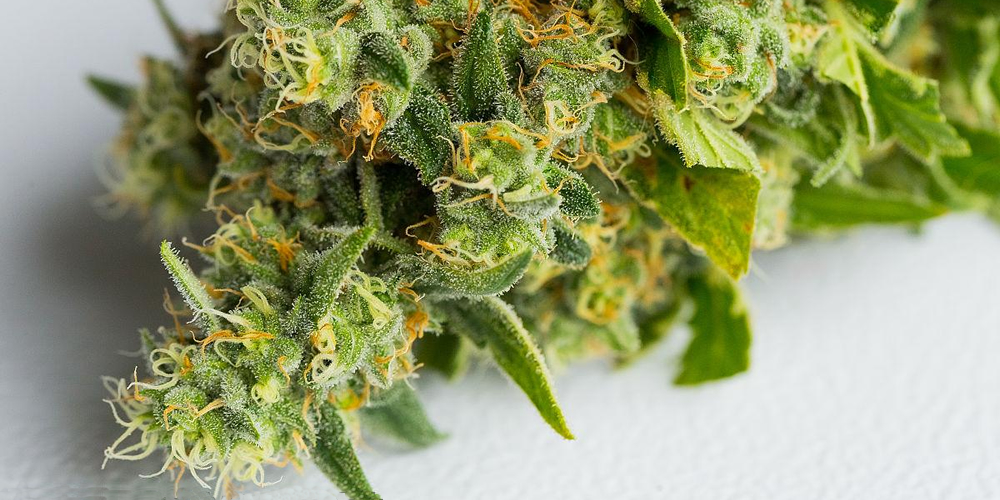
Scientists from the United States Department of Agriculture's (USDA) Agricultural Research Service (ARS) and North Dakota State University (NDSU) recently found that when cattle were fed with the industrial hemp byproduct, hempseed cake, very low levels of cannabis chemicals (cannabinoids) were retained in muscle, liver, kidney and fat tissues.
Currently, hempseed cake cannot legally be used in food animal rations as the magnitude of cannabinoid (Cannabidiol [CBD] and Tetrahydrocannabinol [THC]) residues remaining in edible animal tissues have not been characterised.
To determine if hempseed cake could be safely used as a source of protein and fiber in cattle feed, a team of USDA-ARS and NDSU researchers, led by Research Physiologist David J. Smith, evaluated cannabinoid residues (CBD, THC) in edible tissues of cattle that were fed hempseed cake. Scientists found that the concentrations of these chemical compounds in meat products contributed only a small fraction of the total amount global regulatory organisations consider safe for consumers.
In the 2018 Farm Bill, the US Congress authorised the legal production of industrial hemp in the United States with the stipulation that industrial hemp would contain less than 0.3% of THC on a dry-matter basis. The low percentage of THC differentiates hemp products from marijuana or medicinal Cannabis varieties, which may contain greater than 5% THC.
As industrial hemp develops as an agricultural commodity in the US, companies are now producing hemp seed oil from cultivars with very low THC content (< 0.01%). However, producers of hemp seed oil are having difficulty finding a market for hempseed cake, a major byproduct formed during oil extraction from industrial hempseed.
Hempseed cake is highly nutritious. In fact, a study completed by NDSU, in partnership with USDA-ARS, shows that hempseed cake is a viable alternative feed source for cattle.
In a study recently published in Food Additives and Contaminants led by Smith, groups of heifers were fed either a control diet or a diet containing 20% hempseed cake for 111 days. When the feeding period was completed, cannabinoid residues in the liver, kidney, skeletal muscle and adipose tissue were measured in animals harvested zero, one, four, and eight days after hempseed cake was removed from the diet to learn how quickly cannabinoids are cleared from tissues. The hempseed cake used in the study contained an average concentration of 1.3 ± 0.8 mg/kg of CBD and THC combined, which is 1/3000 of the legal threshold of 0.3% (3000 mg/kg) THC.
Cannabinoid residues were sporadically detected in urine and plasma of cattle during the feeding period, and low levels (about 10 parts per billion) of CBD and THC combined were measured in adipose tissue (fat) of cattle harvested with no withdrawal period. In liver, kidney and skeletal muscle, however, CBD and THC were below detectable levels in the cattle fed hempseed cake.
"According to our exposure assessment, it would be very difficult for a human to consume enough fat from cattle fed with hempseed cake to exceed regulatory guidelines for dietary THC exposure," said David Smith of the Animal Metabolism-Agricultural Chemicals Research Unit in Fargo, North Dakota.
"From a food safety viewpoint, hempseed cake having low cannabinoid content can be a suitable source of crude protein and fiber in cattle feed while offering industrial hemp producers a potential market for this byproduct of hempseed oil extraction," Smith added.
Final determination and approval for the legal use of hemp products in animal feeds remain with the US Food and Drug Administration.
- ARS


