


April 9, 2024
Philippines' Agriculture Secretary defends fish import ban amid industry concerns
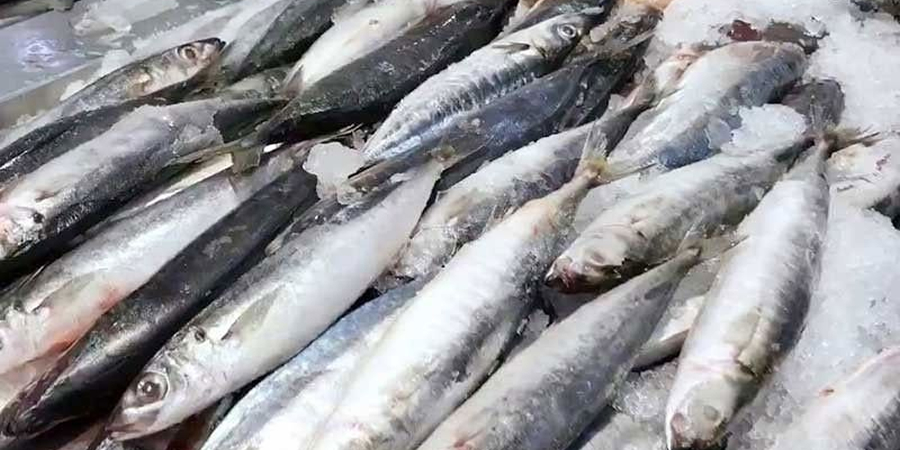
Philippines' Agriculture Secretary Francisco Tiu Laurel Jr has justified his decision to prohibit the importation of certain fish species, asserting that it will not hinder the production of canned fish, particularly mackerel, GMA News reported.
Tiu Laurel clarified that importers are technically permitted to import 10% more than what they are using now, assuring that there is no reason for concerns about a potential mackerel shortage for canning purposes.
The statement comes in response to warnings from the Canned Sardines Association of the Philippines regarding potential price hikes for canned mackerel following the Philippines' Department of Agriculture's directive to halt the issuance of import clearances for galunggong or round scad, mackerel, and bonito.
On April 1, 2024, Tiu Laurel issued Department Administrative Order (DAO) No 14, series of 2024, suspending the issuance of sanitary and phytosanitary import clearances for galunggong, mackerel, and bonito. This decision was prompted by reports indicating that these fish, intended for canning, processing, or institutional buyers, were being redirected to wet markets.
According to Tiu Laurel, an estimated 90,000 to 100,000 metric tonnes of the three fish products are diverted to wet markets annually. DAO No. 14 will indefinitely halt the issuance of permits and clearances for the importation of these fish species starting April 16.
However, the order permits the importation of mackerel for canning purposes provided that the volume thereof shall be based on VATable sales of the canned products from the previous year with an additional 10% of said sales for buffer.
Tiu Laurel attributed the issue to certain importers who diverted and sold part of their frozen fish inventory to wet markets, where the sale of marine products is exempted from value-added tax.
The implementation of DAO No 14 later this month is timed to coincide with the start of the open fishing season, during which the Department of Agriculture enforces a closed season in major spawning areas to allow fish to repopulate and grow undisturbed, ensuring an ample supply.
- GMA News


