


April 8, 2024
US Trade Representative raises concerns over Philippines' agricultural import regulations
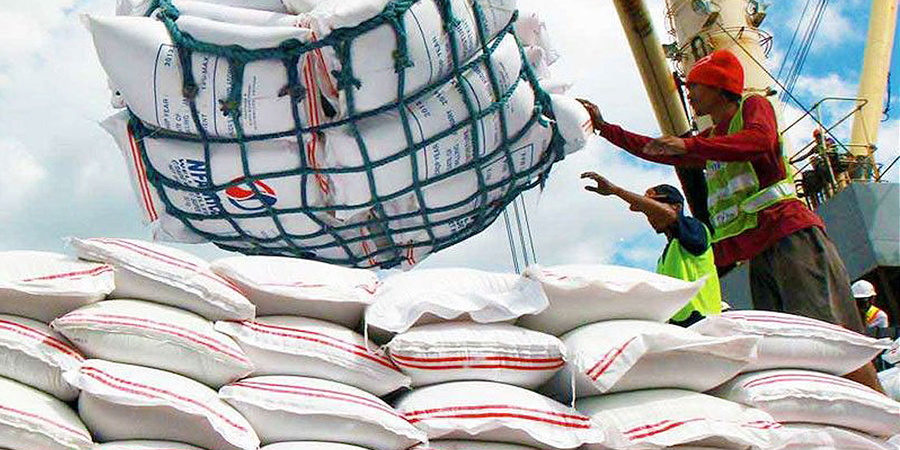
The US Trade Representative (USTR) has highlighted the Philippines' stringent regulations on agricultural import permits, emphasising their impact on increasing prices and complicating export processes for products such as animal feed raw materials and fishery products from US exporters, The Philippine Star reported.
In its annual National Trade Estimate Report, the USTR specifically pointed out the Philippines' Department of Agriculture's (DA) rules concerning the issuance of sanitary and phytosanitary import clearance (SPSIC) as a trade barrier.
Concerns were raised regarding the DA's utilisation report requirement for imported products like animal feed raw materials and fishery products, mandating importers to submit reports ensuring imported materials are used for their intended purposes.
The SPSIC serves as certification that imported agricultural materials meet safety standards for human, plant, and animal health, which importers must obtain before importing goods.
According to the USTR, the DA's regulations stipulate that each SPSIC is valid for only one shipment and has a limited duration, ranging from 15 to 90 days depending on the commodity, adding costs and complicating export timing.
Moreover, the requirement of one SPSIC per shipment with a limited validity period hampers the rerouting of agricultural goods to the Philippines and prevents exporters from reselling imported products if the importer rejects delivery.
Since 2022, this requirement has extended to imported fishery products, with stakeholders expressing concerns about its burdensome nature, yet the measure has not been notified to the WTO (World Trade Organisation), according to the USTR's report.
- The Philippine Star


