


April 6, 2026
Pork prices in Philippines could jump as fuel costs rise
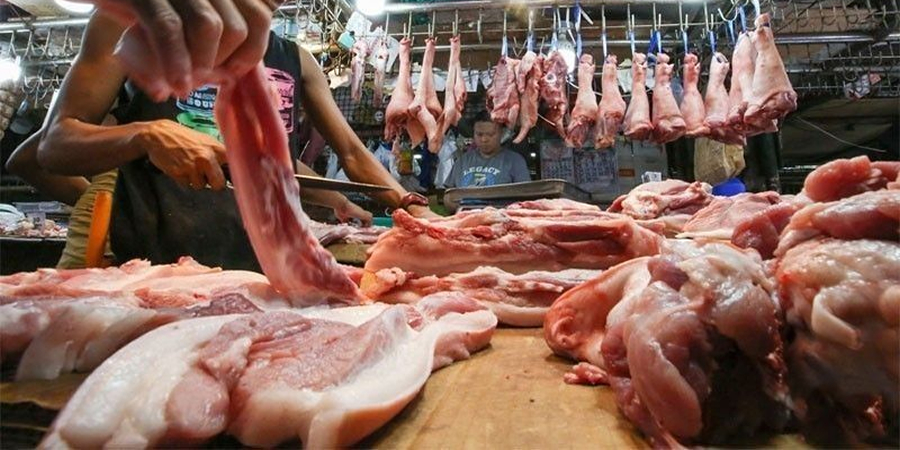
Should fuel costs continue to climb, consumers in the Philippines may soon face higher pork prices, a group of local producers cautioned.
Prices of pork nationwide remain stable for now. But the Pork Producers Federation of the Philippines (PPFP), Inc. warned that sustained oil price hikes are beginning to squeeze the industry.
The consecutive weekly increases in fuel prices are already putting pressure on production and transport costs, raising the likelihood of a price increase in the coming months.
If this trend persists, there is a "very real possibility" that retail prices of pork could reach or even exceed ₱500 (US$8.95) per kilo, said Rolando Tambago, vice chairman of the PPFP.
"This is a very real possibility if the trend continues," Tambago said.
Current farmgate prices indicate that pork sold in wet markets should still remain below ₱390 (US$6.98) per kilo, giving consumers temporary relief despite rising costs across the supply chain.
The added costs are being felt across the industry, from imported feed ingredients such as soybean meal and wheat to the transport of live hogs from farms to slaughterhouses and markets.
Despite the mounting pressure, producers are trying to avoid sudden price increases to keep demand from weakening, Tambago said.
A sharp spike in prices could discourage consumers from buying pork, which may eventually lead to oversupply and heavier losses for farmers, he added.
Their group also urged the Department of Agriculture (DA) to extend immediate subsidies to hog raisers to help offset the rising operational costs linked to ongoing tensions in the Middle East, which have contributed to global oil price volatility.
For now, supply remains stable, Tambago said, with Cebu and Mindanao continuing to ship surplus pork to other areas, including Leyte, Iloilo, and parts of Luzon.
Existing stocks in cold storage facilities are also helping cushion the market and keep prices steady.
The DA, meanwhile, said it is closely monitoring the prices of basic commodities, fertilisers, and the country's overall food supply amid the continuing uncertainty in global oil markets.
During a recent Senate committee hearing, Agriculture Undersecretary U-Nichols Manalo said the government is preparing multiple scenario projections to anticipate the possible effects of prolonged disruptions in the Middle East on food prices.
Under the government's worst-case scenario, key oil infrastructure in the region could remain disrupted for up to 180 days, with crude oil prices surging to US$200 per barrel.
If that happens, pork prices, particularly for kasim and liempo, could climb beyond ₱500 (US$8.95) per kilo, Manalo said.
Chicken prices are also expected to be heavily affected, with projections showing prices rising from around ₱200 (US$3.58) per kilo before the conflict to as much as ₱324 (US$5.80) per kilo.
- CDN


