


April 6, 2023
India increases milk imports as disease hits local cattle
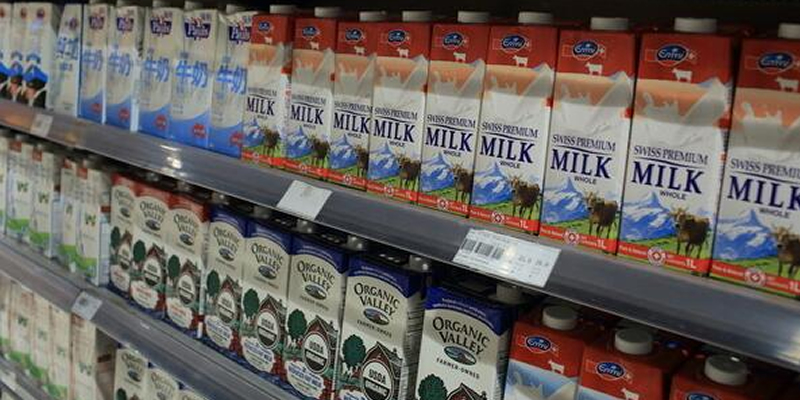
India, the world's largest milk producer, is increasing milk imports due to the spread of lumpy skin disease among local cattle, and a drawdown in market-ready cattle stock after the pandemic slowed breeding, XM reported.
Milk prices in India have already risen over 15% to INR 56 rupees (~US$0.68; INR 10 = US$0.12) a litre over the past year, making it challenging for the government to bring retail inflation below the central bank's target.
A 39% increase in dairy product exports in 2022, followed by lower milk supplies, has already reduced butter and skimmed milk powder (SMP) inventories in India, even as rising incomes boost demand for protein-rich dairy products.
But a senior official of the government-backed National Dairy Development Board (NDDB) said milk production is likely to have risen just 1% in the fiscal year to March 2023, well below the average annual rate of 5.6% in the past decade. The official declined to be named as he was not authorised to speak to the media.
As a result of the supply-demand imbalance, India is expected to rely more on imported skimmed milk powder (SMP), which would further tighten global supplies and set off a rally in international prices.
Dairy industry officials predict that India's SMP imports are likely to hit an all-time high in the fiscal year that started in April, surpassing record purchases in 2011/12.
To ease the burden, the government may allow limited duty-free imports of SMP and butter, although it would need to manage volumes to avoid crashing prices, the NDDB official said.
The temporary removal of import duties would mean imports rise even further, but the long-term effects of such a decision could be damaging. The government would have to manage volumes to avoid crashing prices, which would create further problems for farmers and the dairy industry.
Government data showed lumpy skin disease, which causes blisters and reduces milk production in cows, has infected millions of cattle and killed more than 184,000 in India, including approximately 76,000 in Rajasthan.
Farmers who were able to protect their cattle through vaccinations are now complaining about lower incomes as a result of the disease's impact on low-yielding cattle.
Cattle breeding suffered during pandemic lockdowns due to a lack of village-level veterinarians who could perform artificial insemination.
- XM


