


April 5, 2023
Positive outlook for Europe's poultry market despite bird flu
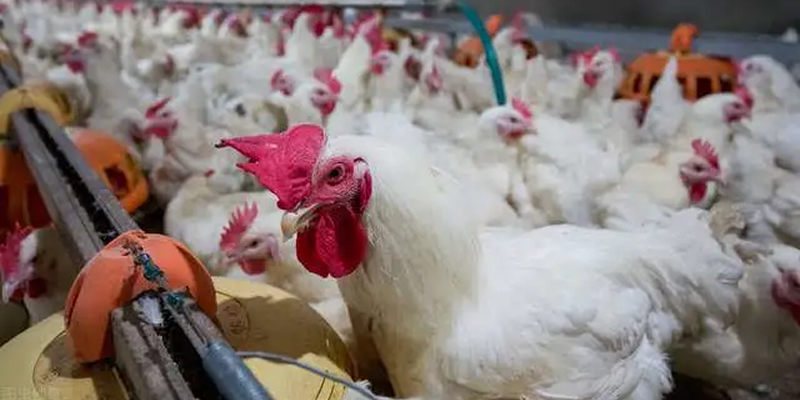
The outlook for the European poultry market remains strong, but supply growth might put pressure on prices and margins while avian influenza (bird flu) remains a threat, according to a new research report from Rabobank.
The Global Poultry Quarterly report published by RaboResearch highlighted that the outlook for the European poultry market "remains relatively strong" but also sounds a warning that "avian influenza is a wild card".
"Keeping supply in balance with market will be key for producers. This will be especially important in the European summer months when avian influenza risks are lower," the report stated. "Later in the year, there will also be new cost price inflation risks, mainly caused by energy prices, which will depend on how the Ukraine war develops and on whether Europe is able to replenish its gas stocks."
Latest analysis showed there was a 4% year-on-year drop in chicken production in the fourth quarter (Q4) 2022 in the European Union. The production of turkey also fell by 7% and ducks by 20%.
The latest research highlighted that tight supply remains an ongoing issue in Europe with outbreaks of bird flu leading to "culling and restricted expansion" and high production costs have also, according to RaboResearch, forced smaller and mid-sized players to reduce their supply.
Researchers found that Germany, France and the Netherlands reported a decline in poultry production in Q4 last year and that this trend has continued into this year.
RaboResearch indicated that poultry production is likely to step up in the first half of 2023 and although it expects pressures around bird flu concerns to remain, it expects that this will ease over Q2 and Q3.
The latest report also highlighted that, with current market demands in the EU, there has been "ongoing import demand" with total EU poultry imports in Q4 2022, increasing by 6% to 227,000 tonnes.
Imports chiefly came from Brazil, Ukraine and Thailand. According to RaboResearch, imports from the United Kingdom dropped by 30% "due to tight local market conditions and high local prices."
- Agriland


