


April 2, 2024
New Vietnamese regulation could benefit livestock enterprises but force small farms to shut down
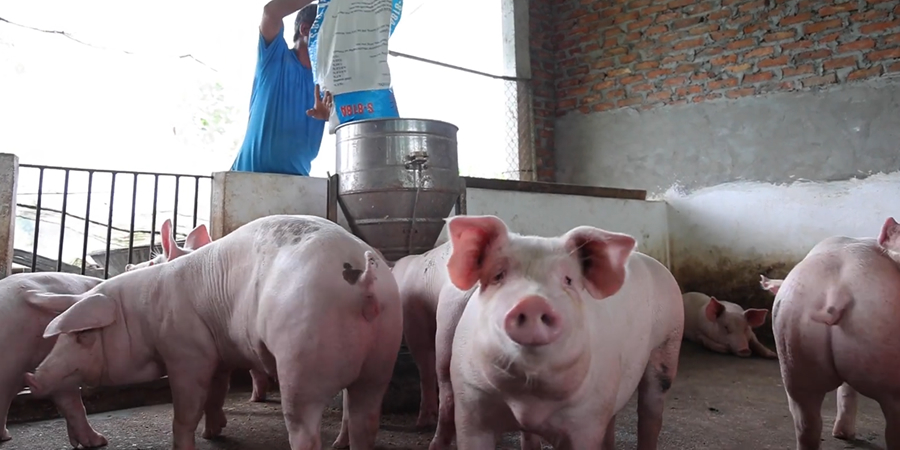
Large livestock enterprises in Vietnam are expected to benefit greatly when Vietnamese regulation on locations not permitted to run livestock farms takes effect from 2025, according to a Viet Nam News report.
However, it is feared the same regulation will cause problems for small households running pig farms.
The Law on Livestock that was effective from 2020 has an article on prohibiting livestock production in areas not allowed for livestock production in cities, towns and living quarters. The exception are for farms raising ornamental animals and raising animals in laboratories without polluting the environment.
According to the law, the regulation will come into effect from January 1, 2025, with localities given five years to relocate unsuitable livestock facilities.
Tens of thousands of livestock facilities nationwide will have to move out of residential areas or cease operations. This is considered a great change of the livestock sector.
According to analysts, the new regulation will force small livestock farms to leave, making way for large-scale facilities, an inevitable trend for the livestock industry to be standardised.
According to a January 2024 report released by Agribank Securities Joint Stock Company (Agriseco), many livestock households will have to stop production. The Ministry of Agriculture and Rural Development has a draft to support those livestock households in the relocation of their farms. But, up to now it has not been approved.
With this change, large listed enterprises in Vietnam's livestock industry have actively invested in expansion to increase capacity. Notably, Dabaco Vietnam Group Joint Stock Company and BaF Vietnam Agriculture Joint Stock Company have invested in new livestock farms to increase capacity.
Dabaco has invested in increasing capacity with a series of large-scale livestock farm projects. They include a livestock project with capacity of 5,600 sows and 77,400 commercial pigs in Thanh Hóa and the third phase of a Dabaco Phú Thọ pig breed project that has a capacity of 4,800 sows and more than 70,000 commercial pigs.
The total capacity of the two projects increases by nearly 25%.
According to experts, to achieve stable development in the livestock industry, Vietnamese localities need to actively implement the Livestock Law and livestock development strategies. They also need to focus on developing a market-oriented livestock industry, promoting the strengths of each region and key livestock to improve production efficiency.
Furthermore, they should promote a highly modernised livestock industry, develop key products with brand construction and development in mind and continuously expand livestock production while applying VietGAP standards.
In the Livestock Development Strategy until 2030, Vietnam strives to have a total pig herd of 30 million, produce about six million tonnes of meat (pork accounting for 60%) and export 15-20% of overall pork output.
This year, Vietnam's livestock industry aims to increase production value by about 4-5% compared to 2023. The country's proportion of livestock in its overall agricultural production is estimated to reach 28-30%.
— VNS


