


March 28, 2023
University experts advise ranchers in North Dakota, US, to head for higher ground due to imminent flood
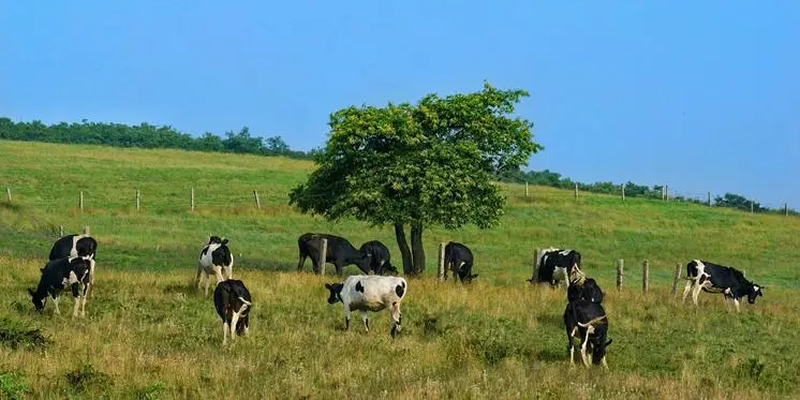
Ranchers in North Dakota, the United States, should make plans for moving feed and livestock to higher ground before flooding this spring, according to North Dakota State University (NDSU) Extension specialists.
The latest flood forecast shows a high probability of moderate to major spring flooding along the Red River Basin, as well as minor to moderate flooding potential along portions of the Souris River. In addition to riverine flooding, there is the potential for overland flooding due to snowpack across the state. The risk of flooding will be dictated by additional precipitation and the melt/thaw cycle. Due to overland flooding, many areas that typically do not flood may be flooded this year.
"Floodwaters can rise quickly, potentially cutting off access to feed and/or water sources for livestock," warned Miranda Meehan, NDSU Extension livestock environmental stewardship specialist. "Beef cattle out on pasture are especially susceptible to displacement by flooding.
"Although cattle will move to higher ground if possible, they may move to areas where rescue is not possible. Trying to rescue cattle and other large livestock in deep-water situations is dangerous and can be deadly to animals and people. Plans should be made weeks ahead of a potential disaster, with consideration given to pens, loading facilities, transportation, evacuation routes and final destination of livestock."
Floodwaters often prevent producers from reaching feed supplies either directly or through damage to roads.
"Having feed supplies on hand is important because feed assistance may not be available during a flood," said Karl Hoppe, Extension livestock systems specialist at NDSU's Carrington Research Extension Center. "Ranchers should pre-select sites on high ground for hay, emergency water supplies, and fencing supplies or panels."
Ranchers also need to be aware that moving feed may cause problems. For example, moving big round hay bales to higher ground can result in hay loss as twine- or net-wrapped bales may be frozen to the ground. Additionally, road weight restrictions can limit ranchers' ability to haul in new feed if they use co-products such as beet pulp, beet tailings or distillers grains to feed their cattle.
Hoppe advised ranchers to ensure accessible storage facilities and an adequate supply of feedstuffs.
"Consider where barns are located when being used for livestock shelter," said Zac Carlson, NDSU Extension beef specialist. "If a barn is located in a flood plain like most old barns built close to water, then provide an escape route for the cattle to leave if an overnight flood occurs. Do not shut the barn door unless you check livestock every few hours."
While not all areas will experience flooding, mud will likely be an issue on many farms and ranches this spring.
Mud can reduce the insulation value of hair coats, increase energy requirements and increase the potential for foot rot and other health issues. Mud may also chill or trap newborn calves and lambs, and can carry a variety of pathogens that can affect calves and lambs directly or through contact with dirty udders.
"The potential for high water tables during spring thaw can cause issues for North Dakota livestock owners who have dirty-water containment ponds and manure stacking areas," said Mary Keena, Extension livestock environmental management specialist based at NDSU's Carrington Research Extension Center.
During spring thaw, dirty-water containment ponds should be inspected daily.
"Ranches should evaluate their potential for flooding and plan accordingly," said Keena. "If you do not have access to higher ground, you may need to consider moving livestock off-site until the risk of flooding subsides."
- Drovers


