


March 28, 2023
Canadian research finds ergot has little effect on bull breeding
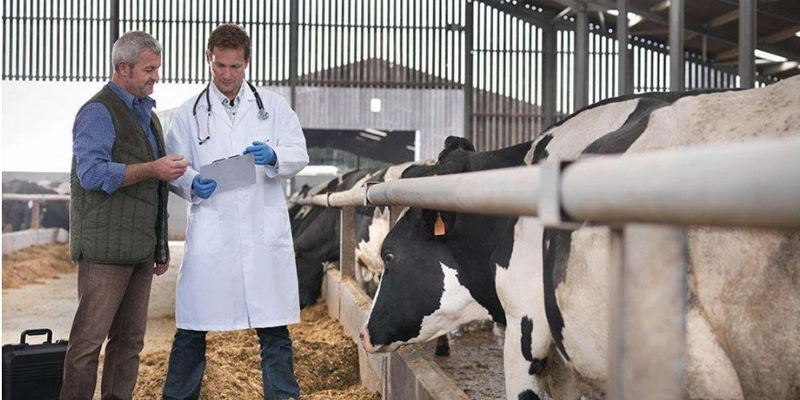
A study by the University of Saskatchewan's Western College of Veterinary Medicine (WCVM) has found that bulls can consume feed contaminated with ergot alkaloids without it affecting their reproductive health, Canadian Cattlemen reported.
The study was conducted by Vanessa Cowan at WCVM, who initiated the research due to concerns expressed by producers that ergot in their feed was affecting the fertility of their bulls. Additionally, there isn't much research on the topic.
Cowan said the goal of the study was to see if concentrations of ergot alkaloids in grain that are currently permissible by Canadian standards for cattle feed had any effects on breeding soundness of bulls.
Ergot comes from the fungi Claviceps purpurea, which can infect different types of grains that cattle consume.
While ergot can cause toxicity in cattle and suppress hormone secretion, leading to reduced pregnancy rates, the study found that over a 12-week period, Angus bulls consuming high-ergot feed had no less viable sperm than the control group.
There was a slight decrease in plasma prolactin, which produces milk during pregnancy, but Cowan says they are unsure if this has significant implications for bulls.
Issues with ergot contaminating grain fluctuate every year, but Cowan said it is their most requested test at their toxicology lab.
The Canadian Food Inspection Agency has set the allowable concentration of ergot for cattle at two to three parts per million, which equals 2,000 to 3,000 micrograms per kg.
Going forward, Cowan said they would like to assess if ergot affects cryo-preserved semen samples or artificially inseminated cows.
- Canadian Cattlemen


