


March 27, 2025
Lantra launches national initiative to combat harmful algal blooms in aquaculture
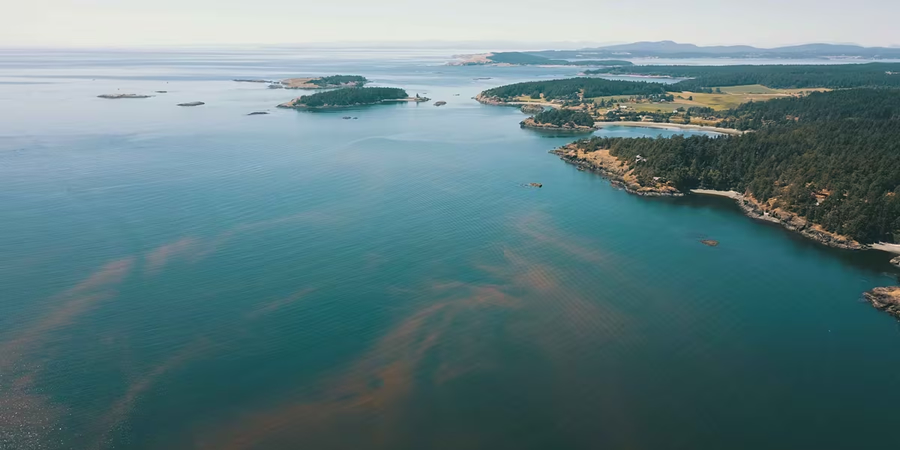
Lantra, the training organisation for the UK land-based and environmental sectors, has expanded its role in aquaculture by leading a new national initiative focused on harmful algal blooms (HABs).
The programme, funded through the Department for Environment, Food & Rural Affairs' UK Seafood Fund, aims to assist seafood producers in managing these increasingly common outbreaks. Rising water temperatures have contributed to a greater frequency of HABs, posing health risks to farmed fish and creating significant challenges for fish farmers.
"With decades of experience providing training and qualifications for people at all stages of their careers, Lantra is very well placed to take on the next stage of the HABs initiative," said Jillian Couto-Phoenix, head of aquaculture at Lantra. She noted that aquaculture employers are already familiar with Lantra's services, making this initiative a natural extension of its work in the sector.
The training programme will equip aquaculture workers with standard procedures for detecting and reporting harmful algal blooms. These guidelines were initially developed under the Scottish Government's Farmed Fish Health Framework. The goal is to establish a more consistent reporting system across the UK, improving early-warning tools and predictive models.
The free course is scheduled to launch this spring and is expected to reach approximately 1,800 professionals and students. Developed in collaboration with the Sustainable Aquaculture Innovation Centre (SAIC) and the Scottish Association for Marine Science (SAMS), the programme will cover sampling methods, species identification, risk assessment, and data recording. It will also provide resources such as a risk calculator and a comprehensive handbook.
"The user-friendly, introductory-level course is designed to be accessible and understandable, enabling the sector to work together on tackling the challenges associated with HABs," said Couto-Phoenix. The training rollout is planned ahead of the summer season when HABs are most prevalent.
The course has been developed with input from industry stakeholders, including producers, researchers, and regulators. Contributors include Salmon Scotland, Mowi, Scottish Sea Farms, Loch Duart, Bakkafrost, SAMS Enterprise, and the RSPCA.
Couto-Phoenix highlighted the link between HABs and climate change, stating that the issue is expected to become more pressing in the coming years. She emphasised the importance of having technicians, operators, and managers working under uniform procedures. Looking ahead, she suggested that additional training modules may be introduced to address related concerns, such as micro jellyfish blooms, which also pose risks to fish health and welfare.
- Global Seafood Alliance


