


March 22, 2024
First US case of avian influenza detected in livestock
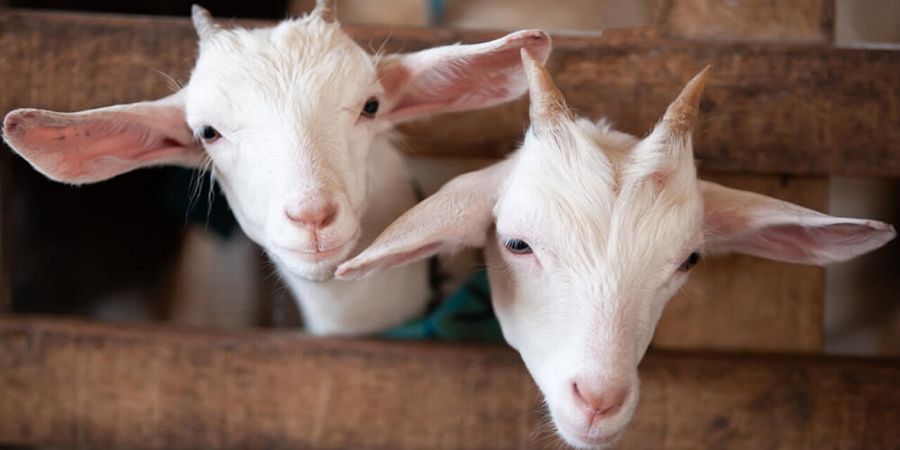
The Minnesota Board of Animal Health (MBAH) announced the detection of highly pathogenic avian influenza (HPAI) in a baby goat from a farm in Stevens County, Minnesota, US, University of Minnesota's Centre for Infectious Disease Research & Policy reported.
This marks the first detection of HPAI in livestock in the United States, sparking investigations by health officials, including the US Department of Agriculture (USDA), into the transmission of the virus on the farm.
The farm, located in west-central Minnesota, has been placed under quarantine, with all species on the premises restricted. The recent outbreak in February had already led to the quarantine of poultry on the farm.
State veterinarian Brian Hoefs, DVM, emphasised the significance of this finding, highlighting the risk of virus transmission among multiple species on farms, particularly during the spring migration period for poultry.
The detection of HPAI in the goats followed the observation of unusual deaths among newborn goats, occurring after the culling of poultry as part of the response to the February outbreak.
The goats and poultry shared the same space and water source on the farm, prompting testing at the Minnesota Veterinary Diagnostics Laboratory, which confirmed influenza A. Subsequent tests at the USDA's National Veterinary Services Laboratory identified the virus as H5N1, consistent with strains circulating in wild birds and poultry globally.
The USDA notified the World Organisation for Animal Health (WOAH) of the detection, providing additional details about the findings. Ten goat kids, aged 5 to 9 days, succumbed to the virus, with brain and tissue samples testing positive for H5N1, clade 2.3.4.4b. Genomic sequencing revealed a high relatedness between samples from the first goat and poultry on the farm.
While HPAI has been detected in other mammal species such as skunks, dogs, and cats, newborn animals with weakened immune systems are particularly vulnerable.
The Minnesota Department of Health is closely monitoring individuals who had contact with the goats and issuing recommendations for personal protective equipment use to prevent further spread.
- University of Minnesota's Centre for Infectious Disease Research & Policy


