


March 20, 2024
Global initiative launched to tackle agricultural pollution
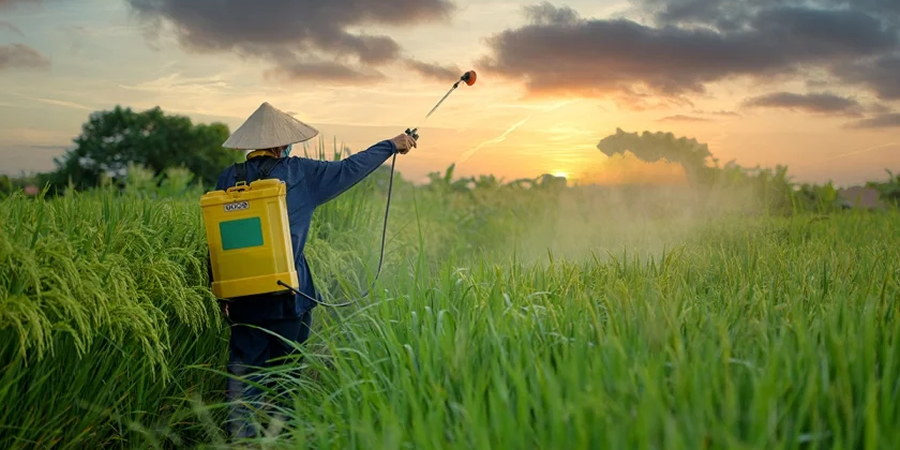
The governments of Ecuador, India, Kenya, Laos, Philippines, Uruguay, and Vietnam have united to introduce a US$379 million initiative aimed at combating pollution stemming from the use of pesticides and plastics in agriculture, UN Environment Programme reported.
Chemicals are integral to farming, with nearly 4 billion tonnes of pesticides and 12 billion kg of agricultural plastics utilized annually. Despite their benefits for food production, these chemicals pose significant risks to both human health and the environment.
Approximately 11,000 deaths occur each year due to the toxic effects of pesticides, while chemical residues degrade ecosystems, jeopardising soil health and farmers' resilience to climate change. Additionally, the burning of agricultural plastics contributes to a global air pollution crisis, resulting in one in nine deaths worldwide.
The use of highly hazardous pesticides and mismanaged agricultural plastics releases toxic persistent organic pollutants (POPs), which contaminate air, water, and food. The Financing Agrochemical Reduction and Management Programme (FARM), spearheaded by the UN Environment Programme (UNEP) with financial backing from the Global Environment Facility (GEF), aims to address these issues.
Over the next five years, FARM seeks to prevent over 51,000 tons of hazardous pesticides and over 20,000 tons of plastic waste from being released. Additionally, it aims to avoid 35,000 tonnes of carbon dioxide emissions and safeguard over 3 million hectares of land from degradation by encouraging the adoption of low- and non-chemical alternatives among farmers.
The FARM programme will advocate for government regulations to phase out POPs-containing agrochemicals and agri-plastics, while promoting better management standards. It also aims to enhance banking, insurance, and investment criteria to facilitate the availability of sustainable pest control methods, production alternatives, and trade in sustainable produce.
Anil Sookdeo, chemicals coordinator at GEF, said that the current agricultural system relies on harmful chemicals, but FARM offers a powerful alternative model, empowering farmers with the knowledge and resources to transition to sustainable practices.
Sheila Aggarwal-Khan, director of UNEP's Industry and Economy Division, underscored the necessity of adopting safer alternatives to highly hazardous pesticides, adding that collaboration and adoption are crucial to scaling these alternatives.
- UN Environment Programme


