


March 14, 2022
India now fourth in feed production, costlier raw materials and supply chain issues challenge growth
An eFeedLink Hot Topic
Despite pandemic challenges, global feed production grew 2.3% in 2021 according to a recent report published by Alltech Inc.
For animal feed production, India is now ranked at number four in the world and registered a 12.2% growth in 2020. It is estimated that animal feed production in India was 44.059 million tonnes last year.
However, the country's feed industry is also facing major, short-term challenges including high prices of raw materials and supply chain issues.
In the last two years, pandemic-related lockdowns affected the production and consumption of animal protein. While the domestic animal feed sector is usually not dependent on imports of raw materials, soybean meal was still imported from Argentina and Bangladesh in 2021. Small quantities of shrimp feed and fish meal are imported regularly. Commercial pig feed sales in the country are slowly picking up.
Animal feed is mainly produced for poultry, dairy, shrimp, fish and pets. India's exports of animal feeds are insignificant. Still, raw materials like soybean meal, deoiled rice bran and other protein meals are exported to several Asian countries.
Poultry feed production in India was around 25 million tonnes in 2021. Increased soybean meal prices, a trend since March 2021, put pressure on profitability and, consequentially, increased prices of other protein sources.
Last August, imports of soybean meal were permitted by the Indian government for a brief period in August. Broiler feed production increased to 12.5 million tonnes last year due to higher broiler consumption (most of the broilers are produced by poultry integrators).
The open farming sector suffered a decline in the last two years due to volatility in supply and demand and financial constraints. Layer feed production also increased to 12.5 million tonnes due to increased egg consumption. Almost 50% of layer feed is produced by feed millers, with the rest produced by farmers at the farm level.
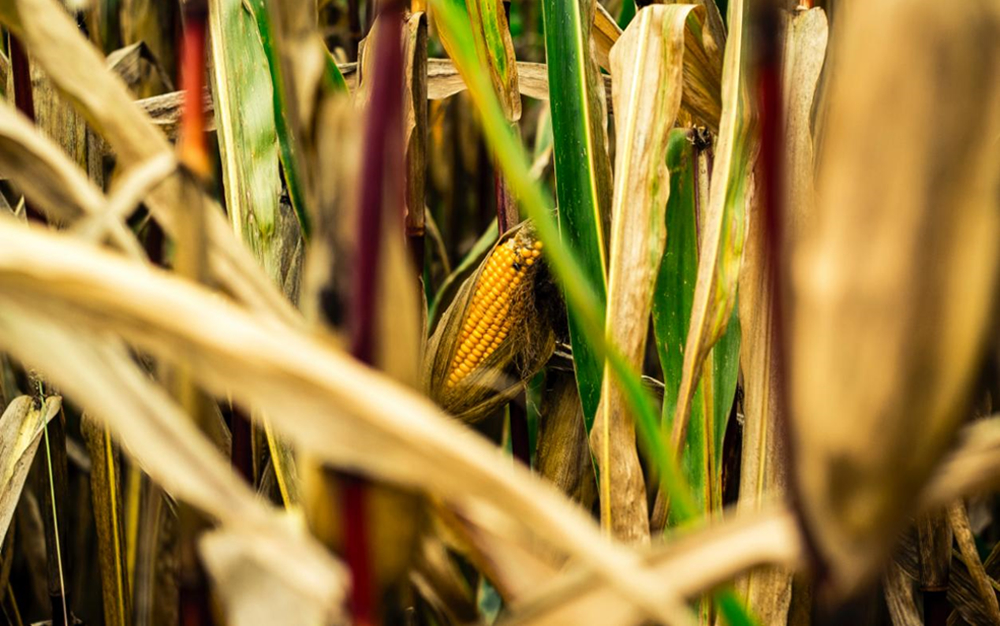
Corn is the main energy source in India and prices for the grain are going up. Wheat is currently available at around the same price as corn.
In a key development, the Indian government had imposed stock limits on oilseeds until June 30, 2022. According to the country's Ministry of Agriculture, the sowing of coarse cereal crops such as corn, barley, jowar, ragi and bajra has been completed on 4.78 million hectares, compared with 4.89 million hectares during the same period a year ago.
The maximum coverage is in states such as Bihar, Karnataka, Telangana, Andhra Pradesh and Maharashtra. The cultivation of corn is increasing rapidly in West Bengal while yield is increasing in Bihar and West Bengal.
The firming of the rupee has also affected the margins for Indian exporters.
On the other hand, Southeast Asian countries, particularly Vietnam and Malaysia, continue to buy Indian corn as the commodity's prices have declined from the highs seen in July 2021.
Bangladesh is the top importer of Indian corn at 879,000 tonnes during the April-November fiscal period, followed by Vietnam, which purchased 663,000 tonnes and Nepal (403,000 tonnes).
Soybean meal is the main protein source for poultry feeds. The overall export of oil meals like soybean meal and rapeseed meal during April-December 2021 fell 28% at 17,66,687 tonnes as compared to 24,67,564 tonnes in the corresponding period of the previous year.
In terms of milk production, India was expected to produce 210 million tonnes last year, with the requirement of concentrates at more than 100 million tonnes. The penetration of compound dairy feed is around 12-15% and is increasing year by year.
In the last two years, farmers have understood the importance of improving productivity, silage and the use of compound dairy feed. The industrial production of compound cattle feed was around 15 million tonnes.
From July 1, 2022, it will be mandatory in India to adopt new cattle feed standards to control antibiotic and aflatoxin residues in milk and milk products. Meanwhile, the sale of special feeds like calf starter, milk replacer and transition feed is gaining momentum.
In various parts of the country, some farmers have started feeding total mixed rations. Additionally, milk cooperatives and private dairies have decided to increase milk procurement prices.
For aquaculture, feed production increased by 9% in 2021 compared to 2020. Shrimp feed production was around 1.3 million tonnes. Extruded and pelleted fish feed production stood at around two million tonnes.
- Dr. Dinesh T. Bhosale


