


March 12, 2026
Cyprus's livestock farming under threat from FMD
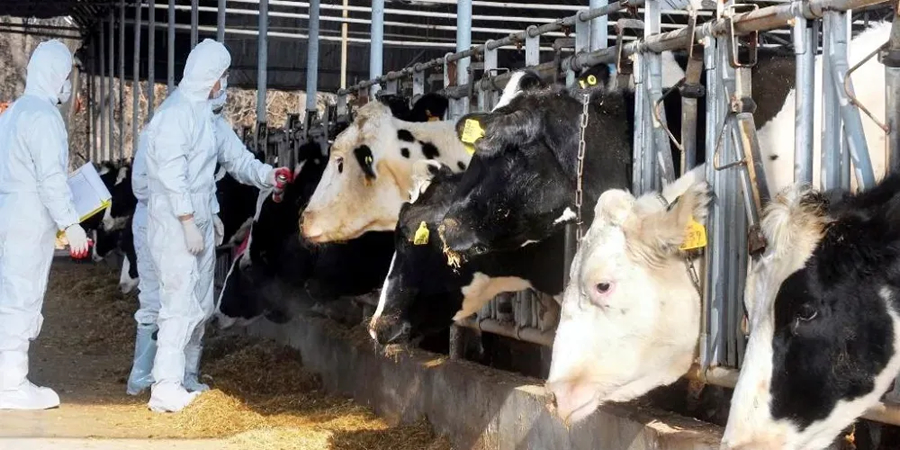
Livestock farming in Cyprus is under siege as an outbreak of foot-and-mouth disease (FMD) threatens to decimate the industry and cause retail prices to skyrocket ahead of Easter.
Cypriot President Nikos Christodoulides convened an emergency meeting at the Presidential Palace on March 8 with agricultural organisations and stakeholders to address the crisis. Farmers are demanding an immediate suspension of the culling of vaccinated animals that have not tested positive for the virus.
The current crisis stems from the application of EU Regulation 2020/687, which mandates the slaughter of entire herds if even a single positive case is detected. Stakeholders warned that strict adherence to this protocol could wipe out 50% of Cyprus's livestock.
The economic impact on consumers is expected to be severe. While lamb and goat meat currently averages €10 (US$10.90) per kilogramme, analysts predict prices could soar to between €25 (US$27.25) and €30 (US$32.70) per kilogramme by Easter due to mass culls.
A strategy paper obtained by philenews argues that Cyprus faces unique epidemiological challenges that make the European Union's "cull-only" strategy unsustainable:
Under Protocol 10 of the Treaty of Accession, EU law does not apply to the occupied areas. This creates a permanent infection reservoir outside European control, leading to the continuous reintroduction of the virus.
As an island with no land borders with other member states, Cyprus can implement systematic vaccination without risking the rest of the EU.
Experts said Nicosia has a strong legal case to request a permanent derogation from the European Commission to move to a "free with vaccination" status.
While this shift might restrict live animal exports, it would not affect Halloumi exports due to the heat treatment used in its production.
Affected groups are calling on the president to implement the following measures:
- Immediate universal vaccination and the procurement of 500,000 additional doses;
- A halt to culling non-positive animals within vaccinated herds;
- The emergency hiring of 150 veterinarians to accelerate inspections.
So far, 23 units involving 30,000 animals in Larnaca have been affected. The Ministry of Agriculture has banned all livestock movements until March 21.
EU Health Commissioner Olivér Várhelyi has confirmed that the bloc will provide financial support to farmers and reassured that Halloumi remains safe for consumption.
Christodoulides must now decide whether to challenge European culling protocols to prevent the total collapse of the domestic sector.
— en.philenews


