


March 9, 2026
Pork production in China jumped by 4.1% last year
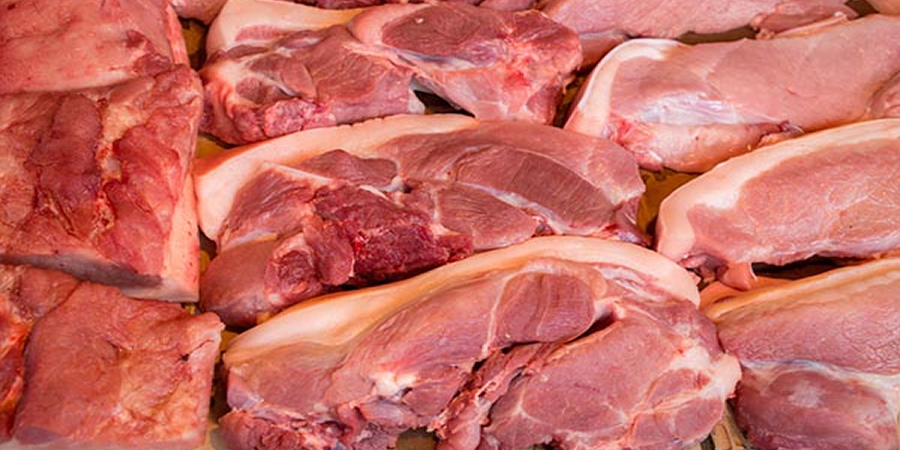
China's pork production rose by 4.1% year-on-year in 2025, reaching 59 million tonnes, the United Kingdom's Agriculture and Horticulture Development Board (AHDB) stated.
Slaughter numbers increased by 2.4% to 720 million head. Productivity gains from better technology, biosecurity, and disease control continue to support output. In Q4 2025, production reached 15.7 million tonnes, the highest fourth-quarter level since 2018.
The Chinese government is now aiming to reduce output to balance domestic supply. The sow herd is expected to fall to 39 million head in 2026, down from 40.3 million in September 2025. Average slaughter weights are forecast to decline as second-fattening practices are discouraged. Production is expected to slow in the second half of 2026.
Average pig prices fell by 15% in 2025 to ¥14.49/kg (US$2.00). Prices remained under pressure due to ample supply and weak domestic demand. In early 2026, prices averaged ¥13.10/kg (US$1.81/kg), with a temporary rise to ¥13.43/kg (US$1.86/kg) around Chinese New Year.
Wholesale pork prices rose slightly in January 2026 due to seasonal demand. The weekly national average reached ¥18.34/kg (US$2.53/kg) for the week ending February 9, 18% lower year-on-year.
Wholesale pork prices have also witnessed a slight uptick in January this year compared to December 2025 following seasonal demand ahead of the Chinese New Year holiday. According to Ministry of Agriculture and Rural Affairs (MARA) data, the national wholesale average stood at ¥18.34/kg (US$2.53/kg) for the week ending February 9, around 18% lower compared to the same period last year.
Prices are also lower compared to the average price of ¥20.2/kg (US$2.79) in 2025. In August 2025, the government launched new pork reserve purchases to aid falling prices.
For the rest of the year, prices are expected to be volatile with lowering production towards the second half of the year on one hand and weak consumer demand on the other. Consumers are shifting from pork towards other animal protein like poultry and seafood for lower cost and better nutrition. Sales are slower than expected in the foodservice and retail segments.
In 2025, both pork and offal imports fell following three years of rising offal volumes. Total pork imports fell by 8% to 1 million tonnes. The EU27 remains the largest supplier, with Spain retaining the lead. Anti-dumping duties continue to influence trade flows.
Offal imports were dominated by the EU27 (52% share). The US share declined to 22% due to tariff disputes. UK shipments increased, giving the UK a 7% share of pork imports and a 5% share of offal imports.
Looking specifically at the offal category, the EU27 also continues to dominate Chinese imports volumes with a 52% market share. Though the US remains the largest exporter, its share of China's imports declined by 5% to 22% in 2025. This follows the tariff war between the United States and China. Spain, Canada, the Netherlands and France maintain their market share whilst the market share of Denmark and Chile increase by 1% to 11% and 4% respectively in 2025.
Shipments from the UK to China have increased in volumes year-on-year due to higher production and the imposition of anti-dumping duty on EU pork. In 2025, the UK held 7% of the total pork imports to China, an increase of 1% year-on-year. Though the share of the UK in total offal exports remains unchanged at 5%, the volume of imports grew by 11% during the period.
China remains a key market for the UK pork sector. While Chinese anti-dumping duties on EU pork create opportunities for UK exporters, they also risk displacing EU product into other global markets, potentially increasing competition in Asia.
— AHDB


