


March 4, 2024
Global Seafood Alliance's certification programmes up 18% last year
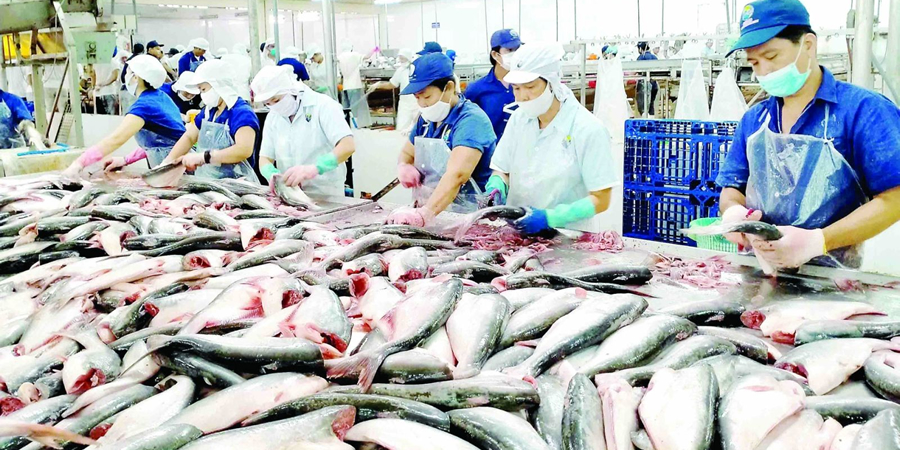
The Global Seafood Alliance's (GSA) third-party certification programmes grew 18% in 2023, as the year ended with a total of 3,959 certified processing plants (including farmed and wild capture), farms (including fallow), hatcheries and feed mills in 43 countries, the US-based nonprofit trade association announced.
The retention rate for GSA's Best Aquaculture Practices (BAP) programme was 91%.
Of the total 3,959 facilities, 541 are processing plants, 2,905 are farms, 153 are feed mills and 360 are hatcheries. Plants certified to GSA's Seafood Processing Standard (SPS) reported more than three million metric tonnes of annual production. In addition, GSA ended the year with 32 vessels certified to the Responsible Fishing Vessel Standard.
Producers made many improvements to their operations in last year to attain certification to GSA standards, according to GSA. Any non-conformities noted during the audit must be addressed prior to becoming certified, the organisation added.
In 2023, processing plants, farms, hatcheries and feed mills made a total of 8,428 improvements, including 2,666 addressing food safety, 2,623 addressing social accountability, 2,307 addressing environmental responsibility, 493 addressing animal health and welfare, and 339 addressing traceability.
GSA also noted many firsts last year: the world's first BAP-certified sturgeon farm (Azerbaijan Fish Farm LLC), Sri Lanka's first BAP-certified black tiger shrimp processing plant (Srimic Exports Pvt. Ltd.), the first BAP-certified producer in South Africa (SanLei), the first BAP-certified feed mill in Norway (Skretting) and the first BAP-certified facility in Japan (Ainan Fishery Cooperative Association).
There were also two companies – Cape Fish and Associated Seafoods – that were the first in South Africa and the United Kingdom to attain certification for their wild seafood processing plants.
- GSA


