


March 3, 2026
Beef production in New Zealand expected to rebound in 2026
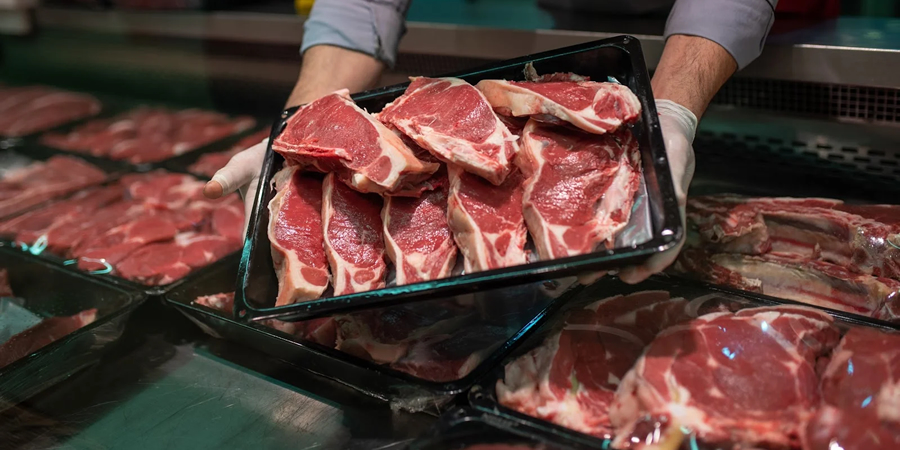
New Zealand’s beef production is expected to rebound this year, up slightly from 2025, which was the lowest volume since 2017.
Jen Corkran, who authored Rabobank's Global Beef report for the first quarter of 2026, said strong pricing signals and improved confidence among beef finishers should underpin a modest 3% improvement in the number of cattle slaughtered this year.
Production in 2025 was just under 674,000 tonnes, 6% less than 2024, due to fewer dairy-origin calves being reared in 2023 and lower dairy cow culling as a strong early season milk price helped keep cow numbers steady.
"This lower beef production dynamic is shifting as an estimated 150,000 additional dairy-beef calves were reared in 2025, expanding the pool of R1 cattle coming through," she said.
Favourable grass growth this season has allowed farmers to take stock to heavier weights, which was positive for beef productivity but challenging for processors.
Corkran said export prices remain strong with the AgriHQ North Island bull indicator for February reaching an all-time high of $9.65/kg CWT, which, with premiums on top, meant some producers may be getting closer to $10/kg.
In December the average export value for NZ beef reach a record $12.42/kg FOB, reflecting both a supportive currency, at the time, and broad global demand.
Corkran said global cattle prices remain positive as production falls.
"Even in North America where prices dipped slightly in late 2025, prices have returned to an upward trend in 2026," she said.
"Cattle prices in key production regions around the world are increasing or remain near record highs as global beef supply starts to tighten."
An assessment last month of the United States cattle herd shows numbers were the lowest in 75 years and by the middle of this year the bank expects production from major global suppliers to be below the average of the past five years.
"Exports in Brazil pushed to new record levels in January supporting demand in northern hemisphere countries, but we believe volumes in Brazil will contract through 2026," Corkran said.
"Australia is one of the few countries with production volumes remaining relatively stable and above the five-year average."
A close watch is being kept on China, the world's largest beef importer, which has implemented a three-year import quota system that Corkran warned could reshape global trade flows and increase market volatility.
New Zealand's beef quota into China this year was 206,000 tonnes, with any exports above this facing a 55% tariff.
"With only a modest production lift expected in 2026, and strong US demand, reaching the quota looks unlikely," she said.
"That being said, major beef exporters like Australia and Brazil are expected to hit their quotas, and the redirection of beef flows from these countries will be a key-watch point in the second half of 2026."
- Farmers Weekly


