


March 1, 2023
Australian research finds 12 ways aquaculture can benefit the environment
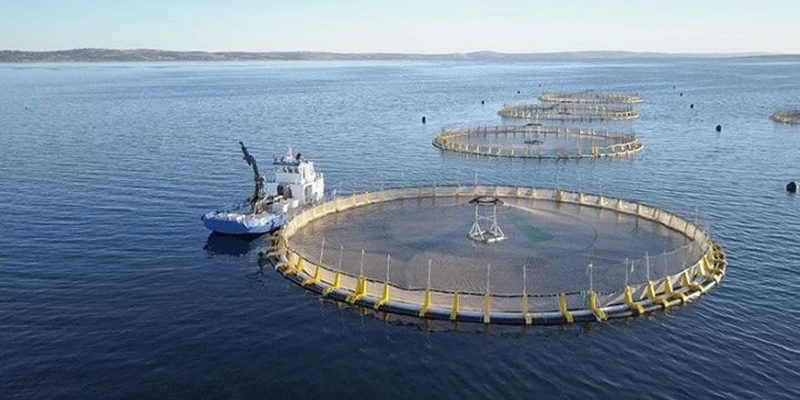
New research from the University of Melbourne has found that aquaculture, when used wisely, can be part of the solution towards biodiversity and habitat loss in freshwater and marine ecosystems around the world, Fish Information & Services reported.
Researchers from the University of Melbourne have identified 12 potential ecological benefits of aquaculture, which include species recovery, habitat restoration, rehabilitation and protection, and removal of overabundant species.
Kathy Overton, a researcher from the university, said aquaculture can be used as a tool to slow or stop negative impacts on freshwater and marine ecosystems, and help restore these ecosystems that have been largely lost over the last century.
Overton said the likelihood of toxic algal blooms, which kill fish and other native organisms, is decreased by the farming of seaweed and shellfish in coastal waters.
Researchers also discovered that there are a number of fresh ways that conservationists are utilising aquaculture methods to develop fresh approaches to restoring or conserving species and habitats.
The Nature Conservancy (TNC), the largest conservation organisation in the world, was a pioneer in using aquaculture to rebuild destroyed marine ecosystems, Overton said.
Dr Simon Branigan, from TNC Australia, said aquaculture is a key part of their process to rebuild lost shellfish reefs through creating healthy oyster and mussel juveniles, in order to kick start the reef restoration process.
Dr Branigan said reefs with an abundance of shellfish have significant ecological advantages because they serve as important habitats for a variety of marine species and enhance the quality of the water. Without aquaculture, it would be difficult to rebuild these destroyed marine habitats and complete this crucial conservation work, he said.
By "restocking" cultured farmed fish back into their habitats, aquaculture is also used to aid in the restoration of vulnerable or endangered fish populations throughout the world.
Overton said species recovery programmes for fish like the Macquarie perch in Australia, the golden mahseer in India, and the white sturgeon in North America are trying to bring back wild populations and stop extinction.
Dr Luke Barrett, another researcher at the University of Melbourne, said aquaculture can also be used to replace the wild harvesting of endangered animals.
- Fish Information & Services


