


February 23, 2026
Study looking into potential role of porcine rotaviruses in swine respiratory disease concluded
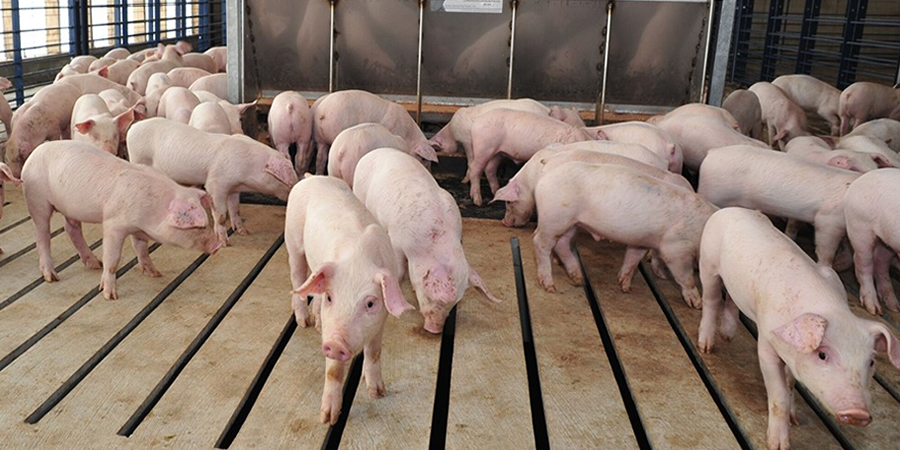
A Swine Health Information Center-funded study was recently completed to investigate the potential role of porcine rotaviruses in swine respiratory disease.
Rotavirus species A and C are among the most common causes of diarrhea in young pigs and new evidence suggests some strains may also affect the porcine respiratory tract.
Led by Anastasia Vlasova at The Ohio State University, the study sought to understand how rotaviruses A and C are detected and contribute to disease in suckling and weaned pigs that have respiratory signs, diarrhea or appear healthy. Results emphasise the high on-farm prevalence of RVA and RVC and their strong association with diarrheal disease. Researchers did not see evidence of RVC involvement in the porcine respiratory disease complex; however, researchers note RVA may be emerging as a potential respiratory pathogen of suckling piglets.
Rotaviruses are considered ubiquitous across US pig farms, and understanding how they spread, change, and contribute to disease is essential for improving herd health.
The objectives of this study were twofold. First, researchers set out to evaluate nasal and fecal RVA and RVC shedding by suckling and weaned piglets with three health statuses (respiratory signs, diarrhea or healthy) and determine whether RVA or RVC can be associated with respiratory disease/lesions. Second, they aimed to genetically characterise RV strains associated with respiratory disease and define the microbiome composition associated with respiratory RV replication under field conditions.
This cross-sectional study was conducted on six swine farms in Ohio (two research farms and four commercial farms). Nasal and rectal swabs were collected from suckling and weaned piglets that were healthy, experiencing diarrhea, or showing respiratory signs. For each group, the researchers aimed to sample 15 piglets/farm/group; however, some farms did not have suckling piglets with respiratory signs at the time of sampling. The resultant sample size of 427 piglets across six different farm herds was used to identify significant associations between RV infections and diarrheal/respiratory disease. Samples were tested for rotavirus using RT-PCR assays.
In addition, researchers analysed tissues of 16 suckling piglets that died of undefined causes on one of the research farms to determine whether rotaviruses were present across different organs, including the respiratory tract.
Results demonstrated that RVA and RVC were present on all six farms. The prevalence of different rotaviruses varied greatly between different farms (A: 67-100%; C: 7-56%). Overall, 88% and 29% of piglets were positive for RVA and RVC, respectively. Consistent with prior research, the highest RVA prevalence/viral loads were found in diarrheic weaned piglets on most farms. However, suckling piglets with respiratory signs from farm 6 and diarrheic suckling piglets from farm 5 also had increased RVA loads.
Importantly, suckling piglets with respiratory signs from farm 6 shed either more RVA nasally or comparable levels to those shed with feces, while all other piglets on all farms had consistently higher fecal shedding of the virus. This could be attributed to the genetic diversity of the circulating RVA strains, which is being explored further. Researchers also confirmed RVA presence in various samples, including samples from the respiratory tract of 12 out of 16 dead suckling piglets from farm 2.
RVC shedding was detected either at a very low level, suggesting no ongoing outbreak on farms 2 and 5, or at higher levels in suckling piglets with diarrhea on farms 1 and 4. Farm 6 was an outlier, where RVC loads were the highest in weaned piglets exhibiting diarrhea. Interestingly, on farm 3 only, healthy weaned piglets had the highest loads of RVA and RVC. Another notable observation is that farm 4 had the lowest overall prevalence of RVA, which coincided with the highest prevalence of RVC. It is unclear whether the heightened biosecurity measures in place at the time of sample collection—implemented due to an ongoing outbreak of highly pathogenic influenza A virus in nearby poultry farms—contributed to this outcome.
Screening for other respiratory and enteric pathogens did not reveal any strong associations between individual pathogens and increased prevalence of rotavirus infections. However, as researchers continue with the analysis of PCR screening and NGS data, new findings may emerge, which are planned to be shared in future publications.
Selected representative RVA and RVC positive (paired nasal and rectal swab) samples from suckling and weaned piglets from different farms will undergo next generation sequencing. Researchers also selected representative samples from different farms with RVA and RVC positive piglets with and without diarrhea or respiratory signs to determine whether a specific metagenomic composition can protect or predispose piglets to the rotavirus-associated illness. Researchers also note that the remarkably high overall prevalence of RVA on all farms suggests it may utilize other transmission routes (e.g. airborne) in addition to fecal-oral/contact.
Overall, the current findings highlight that RVA and RVC are ubiquitous pathogens impacting the U.S. swine industry with potential emerging clinical presentations. The contrasting mechanisms associated with their pathogenesis and spread need to be studied in-depth to inform and update existing control strategies.
- Swine Health Information Center


