


February 20, 2023
Australia's 2022 adult cattle slaughter hit lowest since 1984
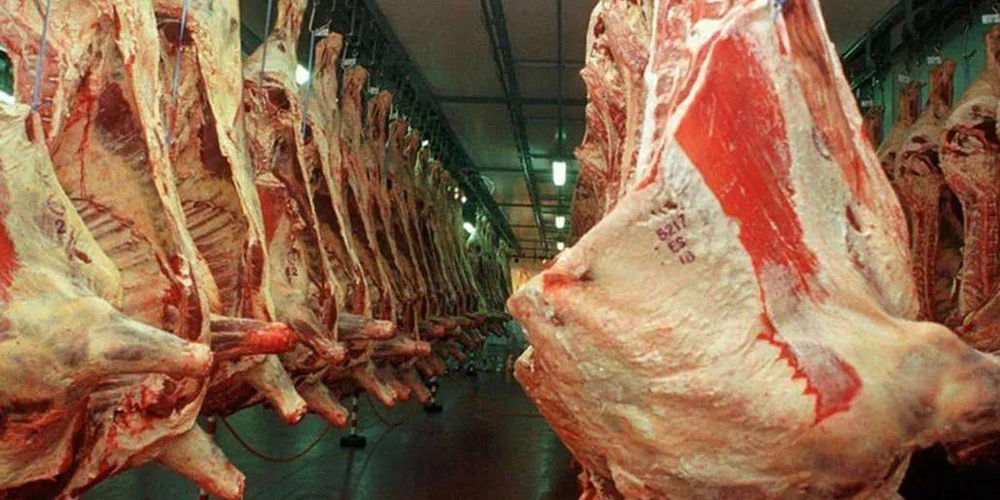
THE Australian Bureau of Statistics released its official livestock and production figures for the fourth quarter and full year 2022 last week.
The result showed adult cattle slaughter reached 5.88 million head for the calendar year, its lowest level since 1984. When combined with the previous 2021 year, the 11.87 million kill total was an all-time record low over a two-year period, based on ABS data going back 50 years.
The data delivered a picture of how 2022 performed in slaughter, production and carcass weight terms for the red meat and livestock sector.
Compared to the ten-year average, beef production last year was down 15.7%, representing 348,000 tonnes.
Despite cattle slaughter falling, record carcass weights helped underpin overall beef production.
In 2022, cattle slaughter fell 2.8%, or 171,400 head, compared to 2021, to reach 5.85 million head.
Adjustments to output last year were seen across all Australian states, with Queensland showing a 5.5% fall in slaughter numbers (representing 157,000 head). This resulted in Queensland's national share of beef kill falling 1.3% to 46.8% year-on-year.
Victoria also experienced a drop in numbers with a 5.5% (67,500 head) decline in the number of adult cattle processed. This led to a fall in market share for Victoria by 0.6% to 20.2%.
Western Australia increased its slaughter rates in 2022 with the opening and expansion of some processing plants. Last year, WA slaughter throughput increased 13.8% or 45,500 head.
Carcass weights across Australia for 2022 averaged 319kg, similar to 2021 levels. Carcass weight averaged 13% (or 37kg) above the 20-year average and 6% (19kg), above the five-year average.
Due to record high carcass weights, national overall beef production last year fell by only 0.77%, or 14,400 tonnes.
Australia's cattle carcase weights peaked last March at 324kg, tailing off later in the year. This is partly explained by the fall of cattle on-feed in the September quarter due to sluggish global demand.
However, the main reason was the challenges of finishing cattle due to an extremely wet winter, impacting both feedlot and grass performance. Victoria and New South Wales felt these effects the most, and as a result, their carcass weights fell the most to 303kg and 311kg respectively.
The data release also showed that the female kill ratio (the proportion of females in the total adult cattle kill) across Australia for the October-December quarter sat at 41.7%, and the yearly average at 42.7%, pointing to a moderate rebuild.
The closer that figure gets to the breakeven threshold of 46.2%, the slower the rebuild, as the herd moves back into liquidation above this threshold.
The 2022 ABS herd size estimate issued was 24.42 million (using an estimated value of agricultural output minimum of $40,000). Meat & Livestock Australia's recent herd estimate was 27.583 million head.
- Beef Central


