


February 20, 2023
US saw rise in illegal animal products from China entering major seaport in fiscal year 2022
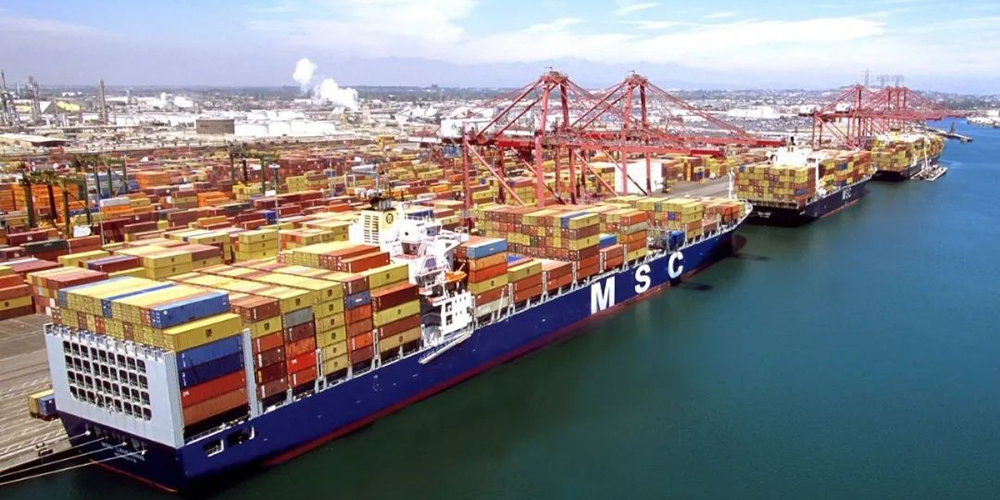
Fiscal year 2022 marked the busiest year ever for US Customs and Border Protection agriculture specialists at the LA/LB Seaport, the United States' largest seaport complex, with the rate of prohibited Chinese animal products on the rise.
From October 1, 2021, to September 30, 2022, CBP agriculture specialists intercepted over one million pounds (1,217,051lbs.) of prohibited pork, chicken, beef and duck products arriving from China. This represents a 7% increase from the fiscal year 2021 (1,134,622lbs.) and 162% from the fiscal year 2020 (463,279lbs).
These animal products are not approved for consumption by any US regulatory agency. According to the United States Department of Agriculture's Animal and Plant Health Inspection Service, China is affected by African swine fever, classical swine fever, Newcastle disease, foot and mouth disease, highly pathogenic avian influenza and swine vesicular disease.
While these products are not a threat to human health and cannot be transmitted from animals to humans, these highly contagious viruses could cause 100% mortality in animals, devastating vital US livestock resources. It can be spread by ticks that feed on infected animals.
"CBP agriculture specialists target, detect, intercept and thereby prevent the entry of these potential threats before they have a chance to do any harm," said Carlos C. Martel, CBP director of field operations in Los Angeles. "Prohibited animal products could seriously threaten US agriculture, our natural resources, and our economy."
When unmanifested or prohibited animal products are intercepted, CBP issues an Emergency Action Notification (EAN) to initiate the destruction or reexportation of the contraband. If destruction is advised, these products are incinerated following USDA protocols and under CPB supervision.
In fiscal year 2022, the LA/LB seaport issued 1,288 EANs compared with 1,257 in fiscal year 2021, representing an increase of 2.4%. However, if compared to fiscal year 2020, when 757 EANs were issued, it shows a 70% increase in just three years.
- AGDAILY


