


February 19, 2026
Oversupply causes drop in Thailand's swine prices
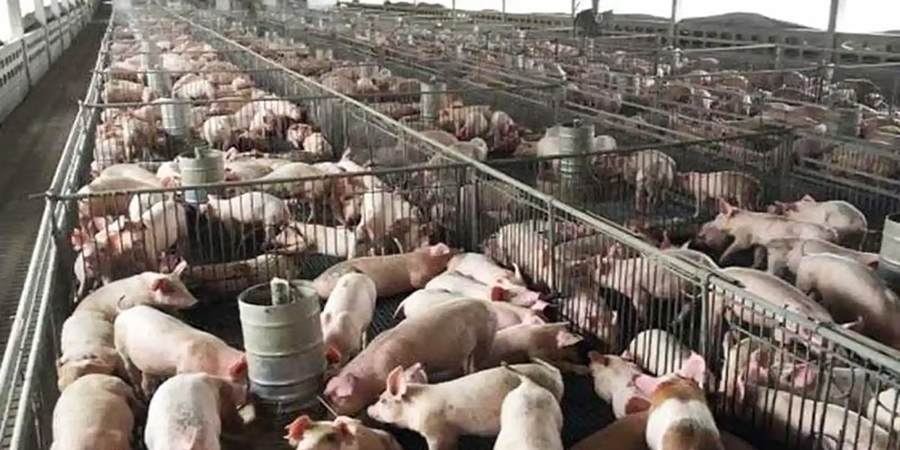
KGI Securities noted that Thailand's domestic swine prices took another hit over the past two weeks, dropping by 14% to stand at ฿55.5/kg (US$1.59).
The decline was attributed to persistent oversupply in the market, further exacerbated by promotional campaigns like the ฿100 (US$2.86) per 2 kg offer aimed at clearing inventories.
In contrast, broiler prices remained steady at ฿40.5/kg (US$1.16).
In an effort to manage the oversupply, the Swine Raisers Association of Thailand has announced plans to reduce piglet supply by producing approximately 300,000 roasted suckling pigs over the next six months. This strategic move, at about 50,000 pigs per month, is aimed at easing the supply pressures currently weighing on prices.
On the trade front, there was a silver lining as Malaysia gave the green light for imports of chilled and frozen pork from Thailand. The total value of these exports is expected to reach ฿4 billion (US$114 million) and will involve four major facilities: VC Meat Processing, Betagro Agro Industry, CPF (Thailand) Public Company's Krabi Pig Slaughterhouse, and CPF Kanchanaburi Pig Slaughterhouse. However, the approved export volume represents just around 2% of Thailand's total pork production, offering limited relief to domestic markets.
KGI added that the situation is not unique to Thailand. In China, swine prices also continued to weaken due to ongoing oversupply.
Feed costs are also on the rise, with domestic corn prices increasing 1.8% to ฿10.1/kg (US$0.29) amid tight supplies during the off-harvest season, and imported soybean meal prices climbing 6.8% to US$313.5/tonne, driven by robust Chinese demand and slow Brazilian harvests hindered by heavy rain.
Separately, the US Department of Agriculture nudged its forecast for global soybean production for the 2025/26 marketing year up by 0.7% to a record-high 428.2 million tonnes, reflecting higher expected outputs in Brazil and Paraguay. Global consumption estimates remain stable at 424.7 million tonnes.
Analysts remain cautious about the outlook for domestic meat prices, noting that any effect from reduced supply is likely to take at least 3–6 months to materialise. While broiler prices have been stable, chicken exports are expected to decline quarter-on-quarter due to seasonal factors in the first quarter of 2026.
— Kaohoon International


