


February 19, 2024
South Korean scientists develop "meaty" rice as sustainable protein source
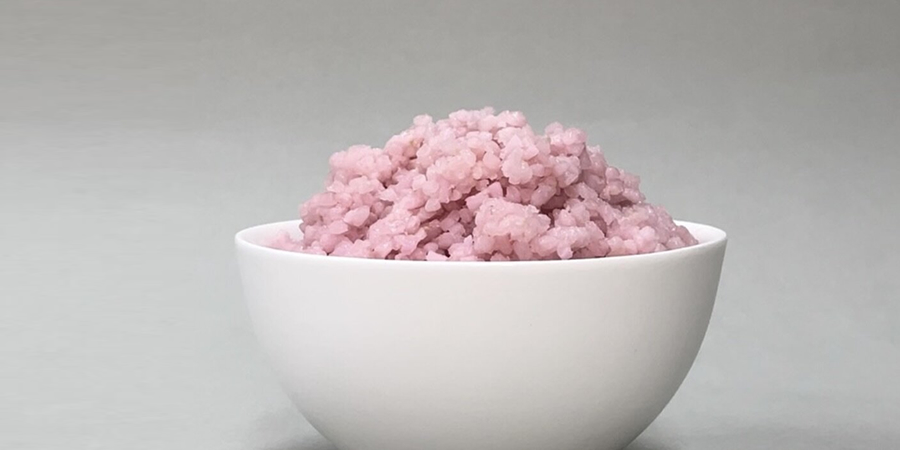
South Korean scientists from Yonsei University have unveiled a hybrid food called "meaty" rice, which they claim could offer an affordable and environmentally friendly protein source, featuring porous grains infused with beef muscle and fat cells, all grown in a laboratory setting, BBC News reported.
To cultivate this innovative food, researchers coated rice grains with fish gelatine, allowing the beef cells to adhere, and then left them in a petri dish to culture for up to 11 days. The resulting hybrid rice boasts higher protein and fat content compared to regular rice, making it a potential solution for addressing food scarcity, military rations, or even space food needs in the future.
While this hybrid rice offers enhanced nutritional value, with 8% more protein and 7% more fat, its production method also yields a smaller carbon footprint than traditional beef farming. For every 100g of protein produced, the hybrid rice releases significantly less carbon dioxide compared to beef production, highlighting its eco-friendly potential.
Lead researcher Sohyeon Park emphasised the sustainability benefits of this innovation, noting its potential to provide essential nutrients without the resource-intensive practices associated with livestock production. Park expressed surprise at the successful growth of cells within the rice, envisioning numerous possibilities for this grain-based hybrid food.
The development of lab-grown or cultivated meat products has gained traction globally, with companies racing to bring affordable alternatives to market. While some countries embrace these innovations, others, like Italy, seek to preserve traditional food practices.
Critics argue that lab-grown meat, despite being made from natural cells, may face resistance from consumers. However, experts like Prof Neil Ward see potential for healthier and more climate-friendly diets in the future, particularly in replacing processed meats.
Bridget Benelam from the British Nutrition Foundation acknowledges the innovative nature of this approach but suggests further research is needed to establish its viability as an alternative protein source. While the findings represent a modest increase in rice's protein content, the technology shows promise in contributing to sustainable food solutions.
- BBC News


