


February 17, 2023
Malaysian authorities blame pollution from livestock waste on lax attitude of industry players
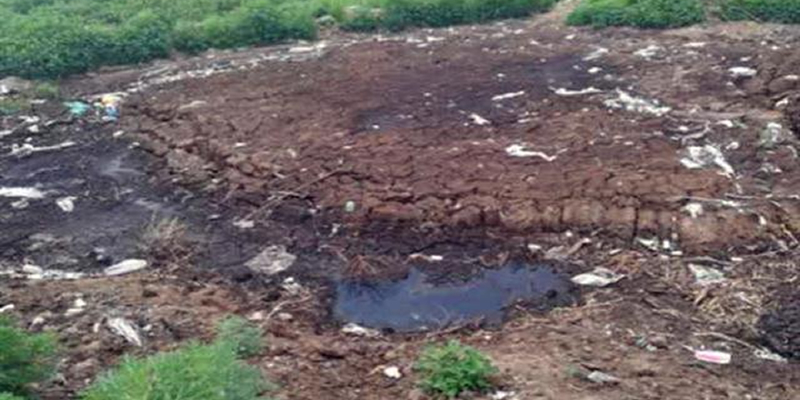
Environmental pollution originating from livestock waste has been a longstanding issue in Malaysia, with the Veterinary Services Department attributing this to the lackadaisical attitude of many industry players.
The contamination of Sungai Punggur in Air Molek, Melaka, in 2020 was among the cases of severe pollution reported in recent years and it was caused by waste discharged by about seven unlicensed cattle farms.
Last year, eight pig farms in Kuala Langat, Selangor, were identified as the source of effluents discharged onto the Tanjung Sepat coastline after investigations found contaminated water flowing from the farms concerned into the sea.
According to the Veterinary Services Department data for 2017, Malaysia’s livestock industry produced 27,416 tonnes of waste a day. Broiler chicken farms and layer farms accounted for 60% of waste, followed by cattle farms (22%), pig farms (16%) and goat farms (2.3%).
The department noted that the substantial amount of waste produced each day was linked to "inefficient waste management" by livestock industry players, thus placing this industry among the major contributors to environmental pollution in the country.
A spokesman for the department's Regulatory Division told Bernama many industry players still failed to abide by good animal husbandry practices (GAHP) which included the application of proper waste disposal procedures.
Among the common complaints received by the department pertaining to animal waste are foul smell, housefly infestation and discharge of effluents into the public drainage system.
The spokesman warned that the improper management of livestock waste carried the risk of harmful gases such as ammoniacal nitrogen being released into the environment.
Livestock waste and wastewater discharged by abattoirs must be treated in advance, he stressed, terming the untreated effluents as a 'time bomb' that could give rise to a host of zoonotic diseases including brucellosis, salmonellosis, tuberculosis, bird flu, swine flu and Nipah virus disease.
To ensure the country is spared from an outbreak of any such disease, the department's Regulatory Division implements strict controls including the National Livestock Disease Surveillance programme which is conducted throughout the year.
"To date, we have not received any report from the Health Ministry with regards to diseases caused by livestock wastewater discharged by abattoirs. But this doesn't mean that we can take things easy," the spokesman added.
He said the division, with the assistance of the state veterinary services department's Regulatory Section, carried out farm verification exercises periodically to ensure all licensed farm and abattoir operators complied with their licensing conditions.
Only premises that pass the verification were allowed to have their operating licences renewed yearly, he said.
He added that during the verification process, wastewater samples were taken and analysed to ensure the effluents are treated in accordance with the standards set by the authorities.
However, the periodic checks are only conducted on premises registered and licensed by the Veterinary Services Department.
On the wastewater treatment system used by the livestock industry, the spokesman said a proper system would usually have three stages of treatment – physical treatment to separate the solid waste; biological treatment where the organic matter is decomposed by natural microbes in a pond; and settling process where the effluents are deposited in a settling tank or pond before being discharged into public drains.
He said in Malaysia, wastewater treatment had been integrated into the waste stabilisation pond (WSP) system which was both sustainable and cost-effective.
"Through the use of WSP, pathogens (bacteria and viruses) are removed via the deactivation process in the pond," he said, adding that studies on WSP in India showed that 88-98% of viruses could be removed within two to 17 days of treatment, proving the effectiveness of the WSP system.
The spokesman added that the Veterinary Services Department was also, at the same time, encouraging zero-emission practices, that is, no direct discharge of livestock effluents into the public drainage system. Through this concept, the wastewater is recycled and used for watering crops.
"No matter what (treatment) technique is used, the most important thing is to adhere to the 3R concept, that is, reduce (production of livestock waste), reuse (treated waste materials for farm operations) and recycle (wastewater which can be processed into renewable energy sources, and solid wastes that can be composted and turned into organic fertiliser)," he explained.
The department, he added, was always ready to cooperate and work with any agency to resolve pollution issues caused by the livestock industry.
– Bernama


