


February 13, 2026
Pig farmers in Ohio, US, affected by new strain of PRRSV
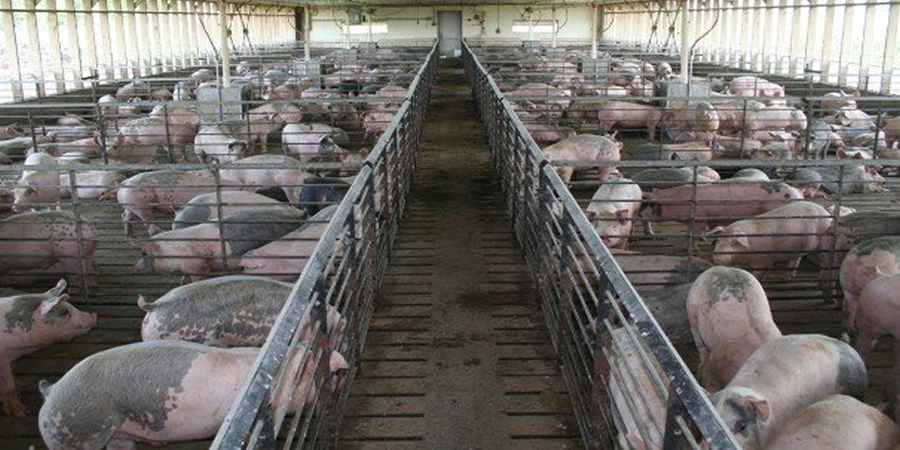
A new strain of porcine reproductive and respiratory syndrome virus (PRRSV) is plaguing pig farmers in Ohio, the United States.
PRRS 1-10-4 L1C.5.35 is moving fast through barns and is more aggressive than seen in other strains.
"This strain of PRRS has been fairly destructive in the Ohio and Indiana area," explaied Bethany Heitkamp, a veterinarian with Cooper Farms.
One of the first signs of this virus is a quiet barn.
"These pigs still get very sick very quickly," she shared at the Ohio Pork Congress. "Usually, you hear noise in the barn because they are interacting with each other. These pigs get very quiet when this PRRS strain hits. Their water drops quickly in the first 48 hours, and the amount of feed that they eat drops fast, too."
At first, influenza was suspected because it moves through a herd fast, too. Heitkamp said this strain of PRRS does the same. The most unusual thing she is seeing is clinical signs in older market pigs, in addition to some aggressive signs in sow units and in nurseries.
"This virus tends to move from farm to farm in a very short period of time," Heitkamp explained. "It doesn't need to mutate very fast from site to site in order to do that."
Like other disease outbreaks, the best thing any producer can do to slow it down is boost biosecurity efforts.
"Just try to be consistent and compliant every day," she said. "Winter is a hard time of the year to get some of our biosecurity measures done. Water freezes, disinfectant freezes, and getting into barns gets more complicated. It's easy for things to break down, but biosecurity principles are truly your best defense for this virus."
Heitkamp said veterinarians monitor a couple things when it comes to recovery of a sow unit from PRRS: time to baseline production and time to stability.
"Our average used to be 22 weeks, and now we're looking at 38 weeks in order to get time to stability back," she said. "The economic impact of this virus has seemed to increase. In addition, increases in pig losses, and extended closures have changed the decisions we're starting to make on the farm."
"We can talk about ads and videos and influencers and sales and ROAs and everything else, but at the end of the day, PRRS still sucks," David Newman, chief executive officer of the National Pork Board, said at Ohio Pork Congress. "As an industry, we have spent tens of millions – actually hundreds of millions of dollars – of our money investing in swine health. The reality is swine health is about as bad today as it has been in a long time. We have production systems doing very good and production systems doing very poor."
Nearly a year ago, state organizations challenged the National Pork Board and National Pork Producers Council to think differently about diseases like PRRSV. An advisement at the 2025 National Pork Industry Forum to develop a National Swine Health Strategy fueled an industry-wide effort to take a deeper look at swine health.
Sentiment in surveys conducted for the National Swine Health Strategy pointed to the virus reaching catastrophic frustration among producers.
The latest analysis by Iowa State University's Derald Holtkamp shows PRRSV caused an estimated US$1.2 billion per year in lost production in the US pork industry from 2016 to 2020, an 80% increase from a decade earlier.
In that same survey, PRRSV was mentioned 134% more than any other challenge in the business.
"We've been battling swine health from 15 different directions for 30 years," Newman said. "Everyone can agree something needs to be done on swine health. If I were CEO of the American Cancer Society and told you my goal was not to eliminate cancer, I'd be doing you a disservice. I don't know how long it will take, but we have to ask ourselves is just mitigating or reducing it enough?"
Elimination efforts can't just center around more research, Newman said. An action component must be tied to the National Swine Health Strategy.
"What are we actually going to do to encourage producers to do the best job they can to slow down endemic spread of PRRSV and other diseases?" Newman said.
"Never let a good crisis go to waste," Heitkamp said. "Encourage outbreak investigations when you have a disease outbreak. They should be systematic and consistent. As Dr. Max Rodibaugh used to say, ‘The barn has the answers.'"
Biosecurity audits and outbreak audits by a third party can be a valuable opportunity for your farm.
"When I invite someone in to do an audit, they ask questions where I just assume I know the answers to it," she said. "Oftentimes, we get a different answer. I've found it's always good to have that type of conversation. We may never find a reason for the disease outbreak, but we always find areas of improvement every time."
- Pork Business


