


February 13, 2024
Brazilian grain exporters express concern over farmer bankruptcies
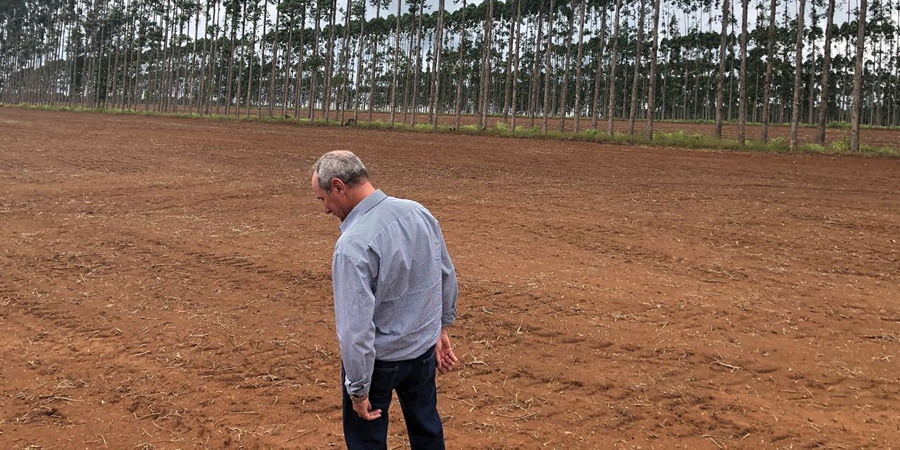
Brazilian grain exporters association Anec expressed concern about a surge in farmer bankruptcy filings in the country, Microsoft Start reported.
Anec highlighted that the recent increase in these cases could potentially disrupt the execution of grain contracts, impacting both the delivery of committed grains throughout the season and traders' ability to fulfil their export programmes.
The rise in farmer bankruptcy cases has raised concerns among exporters, with Anec stressing the need for attention to prevent any hindrance to Brazil's grain trade. However, farmer groups such as Aprosoja-Mato Grosso and Aprosoja Brasil did not immediately comment on the matter.
Anec, representing prominent global grain merchants such as ADM, Bunge, Cargill, Louis Dreyfus Commodities, and China's Cofco, among others, emphasised the critical importance of addressing the issue promptly to safeguard the stability of Brazil's grain market.
Brazil, known as the world's largest soybean producer and exporter, along with being a significant corn provider to various regions, faces challenges this season due to adverse weather conditions. The El Nino weather pattern has significantly impacted crop yields, leading to a decrease in grain production below expectations.
The severe drought caused by El Nino in Brazil's central-western region, particularly in Mato Grosso, has resulted in reduced soy yields, affecting the nation's agricultural output. Additionally, excessive rains in the South have adversely affected summer corn prospects in states like Rio Grande do Sul.
According to crop agency Conab, Brazil's total grain production is estimated to decrease to 299.7 million metric tonnes in the current season, down from 319.8 million tonnes in the previous one. Soy output, initially forecasted at 162 million tonnes for the 2023/24 period, is now projected to reach 149.4 million tonnes due to the impact of El Nino.
Furthermore, Brazil's total corn production is anticipated to decline by nearly 14% to approximately 113.7 million tonnes in the current cycle, as reported by Conab in a recent update.
- Reuters


