


February 12, 2026
Malaysian aquaculture operators welcome government's move to exclude tax on feed
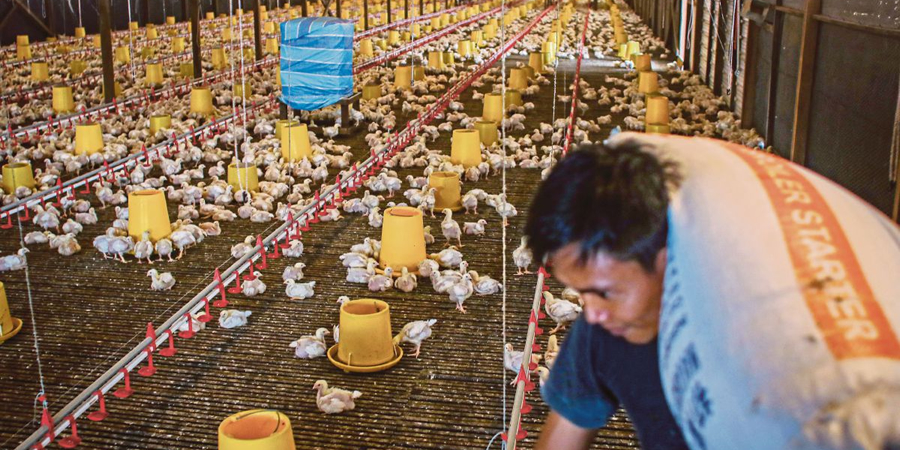
Aquaculture operators in Malaysia have welcomed the government's move to exempt Sales and Service Tax (SST) on animal feed, calling it a timely measure to help reduce rising operating expenses in the sector.
Effective January 1, the exemption covers raw materials used to produce animal feed, fertilisers, and pesticides. The move is part of the Finance Ministry's updated SST policy, which aims to control the prices of essential goods.
The Marine Fish Farmer Association Malaysia said the SST exemption on feed provides much-needed relief, as feed represents a major portion of the production costs.
"The exemption is significant for us, as feed accounts for 40 to 70% of operating costs, depending on the species and cultivation methods. It will cushion other input cost increases such as energy, wages and logistics," it said.
The association expects local feed mills to reduce prices in February or March, adding that the strong ringgit has also made imported feed ingredients more competitive.
"Overall, the exemption benefits farmers, but the extent depends on whether feed millers pass the savings down to them." it added.
Pahang Deep Sea Association chairman Mohd Yusery Mohd Yusoff also praised the measure, highlighting its impact on aquaculture operators.
He said feed costs had previously strained margins, but the exemption allows farmers to pass on savings to buyers.
He said shrimp prices for the 25-piece pack recently dropped from over RM30 (US$7.62) to about RM28 (US$7.11), which he attributed partly to easing feed cost pressures.
Twenty five-piece-sized shrimp generally refers to jumbo (or sometimes extra jumbo) shrimp, defined by a count of 21 to 25 pieces per pound. By this definition, used in many markets, it means the buyer will receive anything from 21 to 25 large shrimps in a one-pound bag (or 9.5 to 11 shrimps per kg).
Universiti Putra Malaysia's Veterinary Medicine Faculty senior lecturer Dr Norhariani Mohd Nor said the sales tax exemption is one of several measures aimed at achieving the government's goal of boosting aquaculture by 2030.
She said that the exemption can modestly improve productivity by reducing costs in intensive aquaculture farms.
"Feed accounts for around 70% of total costs in intensive farms, and many operators work on thin margins due to challenges such as disease outbreaks. The SST exemption is expected to help stabilise their incomes rather than immediately increase production," she added.
— The Star


