


February 10, 2026
Opinions of Malaysian pork import associations differ on safety of pork from Thailand
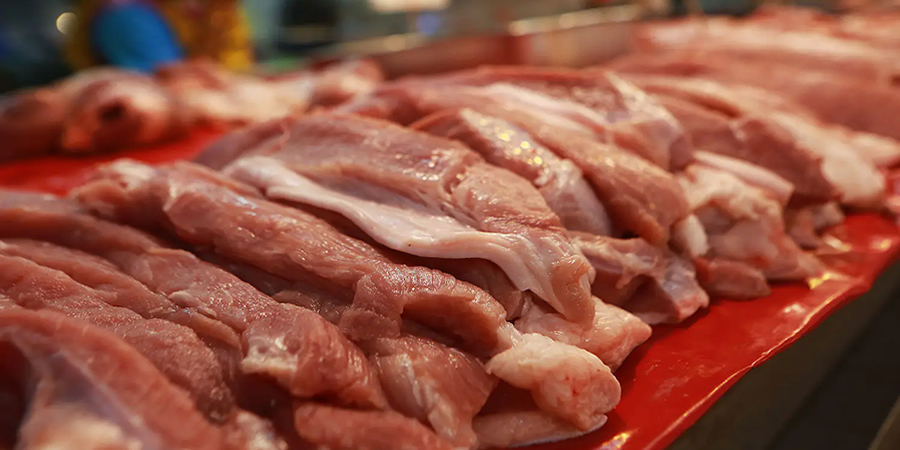
Two associations representing Malaysian pork importers have expressed contradictory views over the safety of pork imports from Thailand recently authorised by Malaysia's Department of Veterinary Services (DVS).
The Star reported Malaysia Association of Pork Products Importers and Exporters (Mappie) president Lai Poh Chon as saying on February 6 that Thailand has reported African swine fever (ASF) cases in the past one to two years.
Some pigs there have also been found with Streptococcus suis bacteria, a zoonotic disease that can be transmitted to humans.
"With ASF still being reported in Thailand from time to time, allowing pork imports from there raises questions on whether the decision was made too hastily," Lai was quoted as saying.
He reportedly urged authorities to show that biosecurity risks to local farms had been fully assessed. ASF isn't a zoonotic disease, but is highly contagious and deadly to pigs.
Lai also questioned what he described as "double standards", noting that Spain, Germany and Poland were banned after ASF outbreaks, while Thailand is now allowed in "under what appears to be similar animal disease risk conditions".
Mappie reportedly said domestic supply was "not entirely insufficient", citing the approval of live pig imports from Sarawak to peninsular Malaysia.
Lai added that increased reliance on imported pork could drain foreign exchange and run against national goals of self-sufficiency, citing Thai media reports that exports to Malaysia could reach several billion baht.
According to an ASF situation update by the Food and Agriculture Organization of the United Nations (FAO) last month, the last reported outbreak in Thailand was in Chiang Mai Province in June 2024.
In a statement, DVS said it has approved pork imports from four abattoirs in Thailand and three in Brazil to Malaysia to meet domestic demand during the Chinese New Year festive season.
Persatuan Pengimport Produk Khinzir Malaysia (PPPKM) chairman Chong Kam Weng, however, rebutted Mappie's statement and commended DVS' approval of pork imports from Thailand and Brazil.
PPPKM said it fully supported the government's sustained enforcement of stringent veterinary health standards, surveillance protocols, and biosecurity controls.
"Food safety and consumer confidence are non-negotiable priorities," said Chong in a statement. "DVS has consistently demonstrated its technical competence, regulatory authority, and operational discipline in managing import risks, including from countries with previous disease history, in strict accordance with internationally accepted best practices.
"Any suggestion that DVS has failed to adequately discharge these responsibilities is misleading, irresponsible, and unsupported by facts. Allegations of unfair approval of abattoirs or deficiencies in disease surveillance are entirely unsubstantiated and should be rejected outright.
"All approved establishments undergo rigorous audits, inspections, and continuous compliance monitoring in accordance with national legislation and international standards. Where is the allegation of double standards?"
Chong also cited World Organisation for Animal Health (WOAH) principles, specifically strict regionalisation (zoning) and compartmentalisation, that govern import approvals during ASF outbreaks.
"Only products originating from certified disease-free zones or approved compartments are permitted," he said. "These approvals are reinforced by comprehensive surveillance, robust biosecurity measures, and strict regulatory enforcement, ensuring that all imported pork entering Malaysia is safe, compliant, and fully traceable."
PPPKM added that live pig transfers from Sarawak are limited in scale, subject to significant logistical, biosecurity, and animal welfare constraints, and are not intended to meet sudden demand surges during peak festive periods.
The association stressed that it wasn't advocating reliance on imports as a long-term solution.
"Sustainable recovery of the domestic industry requires the accelerated adoption of Modern Pig Farming (MPF) systems and the establishment of designated Pig Farming Areas (PFAs) to modernise production, strengthen biosecurity, and reliably meet national demand," said Chong.
Due to public backlash, the Selangor state government recently cancelled the Bukit Tagar centralised or modern pig farming project that was initially intended for the relocation of pig farms from Kuala Langat.
Last January, Selangor state infrastructure and agriculture exco Izham Hashim reportedly said the state government was actively clearing out pig farms, with only just over 30 farms currently still operating in Kuala Langat compared to the 115 previously reported.
-CodeBlue


