


February 6, 2023
Rabobank sees modest pace for Q1 pork trade
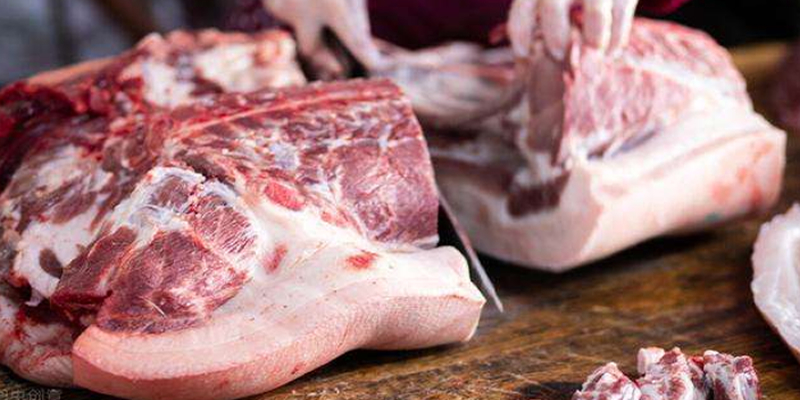
Rabobank expects the pork trade to increase modestly in the first quarter of 2023, mainly due to a low base last year.
However, growth may be difficult to sustain through 2023, given the slow production in major exporting regions, mainly the European Union and United States.
By contrast, Brazil, which continued to grow exports in 2022, is expected to increase production and exports this year. The further recovery/growth in local production in Southeast Asia and China will mean demand for imports eases, particularly in the second half of 2023.
China's reopening raises opportunities but also uncertainties regarding the global supply/demand balance. When, and by how much China’s demand will rebound is uncertain.
Rabobank expects demand to evolve unevenly due to ongoing COVID waves, macroeconomic headwinds and weak business confidence.
For North America, the US herd is at an inflection point as the US herd returns to growth, but growth slows in Mexico and Canada. Exports are stronger from the US and Canada as pork is competitive in key markets.
For Europe, pork production is set to tighten further in 2023, with few exceptions. Pig carcass prices remain supported by tight supply and high input costs.
For China, pork prices plunge on short-term volatility, oversupply and weak demand on high COVID infection numbers. Demand is expected to rebound late in the first quarter.
For Brazil, easing feed prices should improve margins but the country needs stronger Chinese demand to balance supply growth
For Southeast Asia, the region will see strong production growth despite ASF impacts and high input costs in 2022. Continuous growth is expected in 2023.
For Japan, pork consumption manages to remain flat and storage capacity will not allow imports to increase.
- Rabobank


