


February 2, 2024
New tech could reduce cultivated meat production costs by 90%
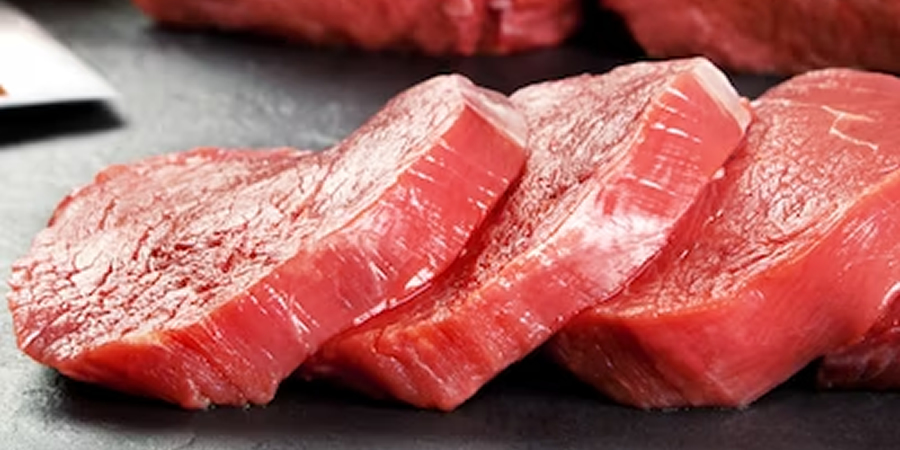
Researchers at the Tufts University Centre for Cellular Agriculture (TUCCA), under the leadership of Professor David Kaplan, have achieved a major milestone in the pursuit of sustainable food production, successfully engineering bovine muscle cells that could significantly reduce costs associated with cultivated meat production by up to 90%, Earth.com reported.
Central to this innovation is the modification of bovine (beef) muscle cells to autonomously produce growth factors, particularly fibroblast growth factor (FGF). Skeletal muscle cells, prevalent in products like steaks and hamburgers, depend on FGF for their development and differentiation.
Traditionally, external addition of growth factors was imperative, contributing substantially to production costs. Lead researcher Andrew Stout said FGF is not exactly a nutrient, but more like an instruction for the cells to behave in a certain way. They engineered bovine muscle stem cells to produce these growth factors and turn on the signalling pathways themselves.
By eliminating the need for frequent replenishment of growth factors in cell culture media, the researchers anticipate reducing overall meat production expenses by up to 90%. This advancement holds the promise of making cultivated meat more economically viable and accessible to a broader consumer base.
Despite the notable breakthrough, challenges remain on the path to commercial viability. While the cost of media has been significantly reduced, further optimisation is essential to ensure the process meets industry standards. The engineered cells exhibited slower growth, but researchers express optimism about overcoming this hurdle through strategic modifications.
Andrew Stout said there is still some optimisation that needs to be done to make it industry ready. While they did see slower growth with the engineered cells, they think they can overcome that.
Crucially, this method does not involve the addition of foreign genes but focuses on editing and expressing existing genes, potentially simplifying regulatory approvals.
The potential applications of this technology extend beyond beef production. Stout envisions the strategy being applied to other meat types, such as chicken, pork, or fish, given that various cell types rely on FGF for growth. Further research is needed to explore the variability in growth factors for different species.
Professor Kaplan highlighted ongoing efforts to enhance cultivated meat technology, including reducing nutrient costs in growth media and improving the texture, taste, and nutritional content of the meat. He said that advancements like this will bring affordable cultivated meat closer to supermarket shelves in the coming years.
The study is published in the journal Cell Reports Sustainability.
- Earth.com


