


February 1, 2024
Swine farmers in the Philippines ensure pork supply stability amid ongoing ASF challenges
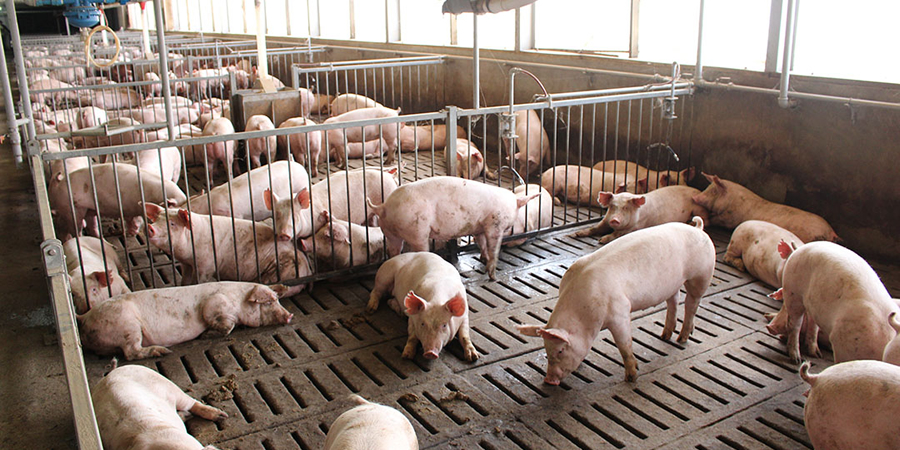
Despite grappling with the persistent threat of African swine fever (ASF) for nearly five years, swine farmers in the Philippines have assured consumers of a consistent pork supply, Philippine News Agency reported.
Rolando Tambago, president of the Pork Producers Federation of the Philippines (ProPork), acknowledged the continued impact of ASF on pork production, emphasising the absence of a vaccine for the disease.
Tambago highlighted that the gap between domestic production and consumer demand has been filled by substantial pork imports, a trend expected to persist until a locally available ASF vaccine emerges. He pointed out the vulnerability of backyard swine farms to ASF due to a lack of resources for costly biosecurity measures. Small swine raisers, facing challenges, are often exploited by traders buying their inventories at low prices, creating an ASF scare in the industry.
While ASF is not airborne, Tambago explained its transmission between swine farms through rodents, domestic animals, birds, and people. Large commercial farms, while not entirely immune to ASF, are better equipped to prevent or manage outbreaks, contributing to the country's relative resilience against the disease.
The Philippines Department of Agriculture (DA) confirmed the first ASF outbreak in July 2019, with subsequent outbreaks affecting 72 out of the country's 82 provinces by the end of 2023. President Ferdinand R Marcos Jr extended reduced Most Favoured Nation tariff rates on pork until December 31, 2024, maintaining favourable conditions for importers.
ProPork, a national organisation representing swine raisers, aims to safeguard and promote the interests of the country's pork industry. In related news, seven areas in Negros Oriental are still grappling with ASF, according to the Provincial Veterinary Office, with local governments implementing measures to control and monitor the situation and prevent the virus from spreading to neighbouring towns.
- Philippine News Agency


