


February 1, 2023
New Zealand salmon farms team up to go electric
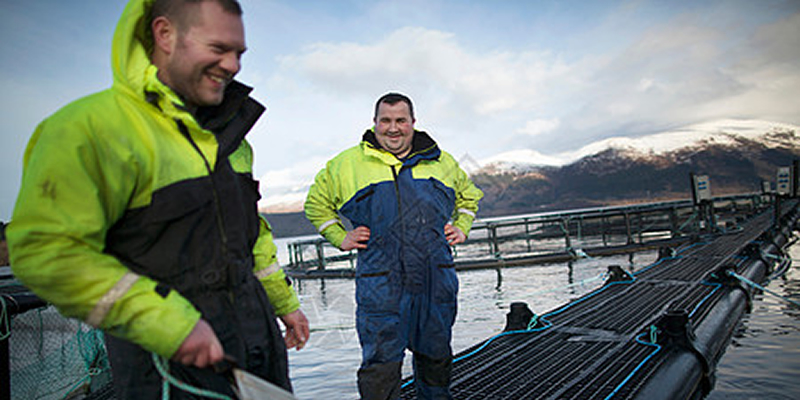
New Zealand-based salmon aquaculture farms Mt Cook Alpine Salmon and High Country Salmon have joined forces to switch to electricity, powering down their diesel generators, with their combined carbon emissions slashed by 96%, Fish Information & Services reported.
Karl French, general manager of High Country Salmon, said said massive diesel generators provided the power they needed for hygienic production and cold chain management, but with the two businesses consuming a combined 70,000 litres of diesel per year, the recent spike in diesel prices pushed them to act.
He said their fuel costs are expected to double to as high as NZD 14,000 a month this year, adding that the diesel generators have become an economic and sustainability burden.
French said electricity costs are expectd to be around NZD 6,000 a month.
Rick Ramsay, environmental manager for Mt Cook Alpine Salmon, said both companies had wanted to stop using diesel generators for some time, but the cost and complexity of building a connection from a substation 1.5 km from Lake Ruataniwha for just one party made it impractical.
Ramsay said they have carbon reduction targets to meet as part of our Emissions Reduction Plan, and sustainability is at the heart of both of their businesses.
Meridian Energy estimates that switching from diesel to electricity will reduce combined emissions by 96% and save 224 tonnes of CO2 equivalent per year, the equivalent of removing 77 cars from the region's roads.
Paul Lloyd from Meridian Energy said that the company offered encouragement, assistance, and resources to the project, including engineering assistance and land for the new infrastructure.
French said the switch will allow High Country Salmon to expand its operations in the future.
He said they are considering a bespoke salmon processing facility, and to bring in equipment to turn their waste streams into pet food and other products.
The link is expected to be operational in late January or early February.
- Fish Information & Services


