


January 29, 2024
China to encourage reduction in swine production capacity
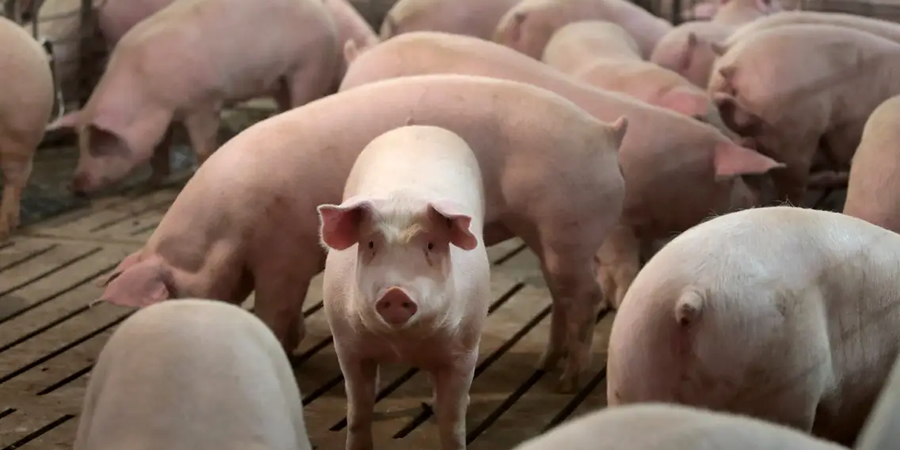
China's Ministry of Agriculture announced plans to encourage farmers to reduce the country's swine production capacity as part of intensified industry regulations, responding to the challenges posed by an oversupply of swine and significant losses in the world's leading pork-producing nation, European Supermarket Magazine reported.
The aggressive expansion of swine herds by major agribusinesses has created a situation of excess supply, leading to a sharp decline in swine prices and substantial financial losses for farmers. In 2023, farmers experienced an average loss of CNY 76 yuan (US$10.60) per swine, according to Lei Liugong, Director of Market and Information Technology at the ministry.
To mitigate the impact of this oversupply, struggling producers accelerated swine slaughter towards the end of last year, resulting in China reaching a nine-year high in pork production at 57.94 million metric tonnes.
Lei Liugong noted that despite a decrease of 2.5 million heads in the sow herd by the end of December, the numbers remain high, and further destocking efforts are expected over the next one to two months, continuing to suppress prices. The decline in breeding sow numbers is anticipated to contribute to market recovery in the second quarter of the year.
To expedite the restoration of supply and demand equilibrium, the ministry will guide farms and households in reducing production capacity and strategically timing swine fattening, according to Lei.
During the same briefing, Chen Bangxun, Director of the Development Planning Department at the ministry, highlighted that there is room for further reduction in the use of high-protein soybeans in livestock feed. The current proportion of soybean meal in feed formulas has decreased to 13%, down 1.5 percentage points from 2022, equivalent to a reduction of about 9 million metric tonnes of soybean consumption.
Soybean demand in China, the largest global importer, is largely driven by the livestock industry, where soybeans are crushed into meal for animal feed. The country's efforts to reduce soybean imports involve promoting low-protein feed diets and utilising alternative sources such as oilseeds, leftover food, and animal carcasses for feed.
- European Supermarket Magazine


