


January 27, 2023
Environmental groups call for end to employing subtherapeutic levels of antibiotics in US livestock
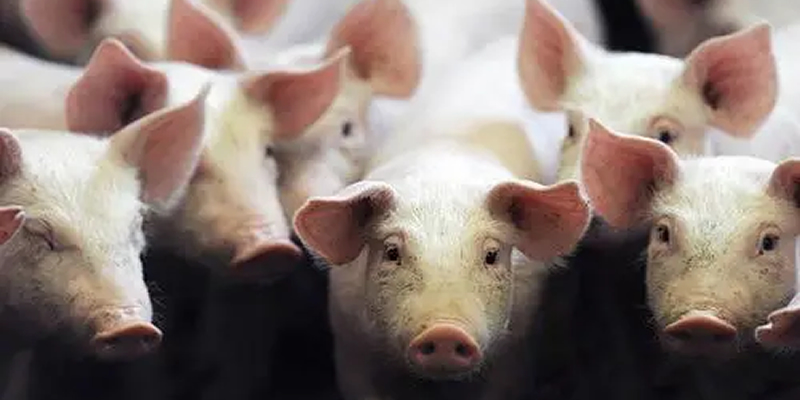
Environmental and health groups want the US Food and Drug Administration (FDA) to stop allowing livestock producers to administer subtherapeutic levels of antibiotics to herds to prevent disease.
The groups argued in a new lawsuit that the practice, which is common in rural America, is causing growing antibiotic resistance in people. In a recent lawsuit filed in the US District Court for the District of Maryland, the National Resource Defense Council, Earthjustice, Food Animal Concerns Trust, Public Citizen and other public health and consumer groups asked the court to set aside a 2021 agency denial of a petition and require FDA to either grant or reconsider the petition.
In 2016, the groups asked FDA to ban the use of antibiotics in livestock and poultry in the absence of illness. In denying the petition in 2021, FDA said it agreed with the petitioners that the practice may be contributing to human antibiotic resistance.
The classes of antibiotics identified include macrolides, lincosamides, penicillins, streptogramins, tetracyclines, aminoglycosides and sulfonamides.
The groups provided FDA with additional research in 2020 that purported to show that antibiotic use remains high in beef, pork and turkey production.
The lawsuit said livestock producers have been adding low doses of antibiotics to animal feed since the 1950s. Today, about two-thirds of all antibiotics sold in the US are for use in food-producing animals.
"A significant percentage of these antibiotics are administered flock- or herd-wide at subtherapeutic levels, that is, below the dose used to treat disease — and over extended periods of time, to prevent diseases that occur more frequently when animals are kept in cramped, dirty conditions common to intensive animal facilities," the lawsuit stated.
The groups said in the lawsuit they do not want "short-term" antibiotic uses to end as such uses are to treat sick animals.
"Resistant bacteria from industrial animal facilities can spread to humans who are exposed to meat products or livestock," the lawsuit said. "Data indicate that retail meat products are frequently contaminated by salmonella, campylobacter, E. coli and other bacteria that are resistant to multiple classes of antibiotics. Various epidemiological studies have confirmed that these bacteria have been transferred to people."
The lawsuit further stated: "Judicious use under FDA's voluntary guidance documents does not include analysis of human health effects of feeding antibiotics to entire herds or flocks over long periods of time.
"The agency's decision did not respond to the petition's core argument that eliminating the preventive use of medically important antibiotics in food-producing animals is necessary to safeguard public health."
The groups said more than 2.8 million antibiotic-resistant infections occur in the US annually.
"These difficult-to-treat infections contribute to as many as 162,000 deaths annually," the lawsuit said. "The antibiotic-resistance crisis is fueled in significant part by the misuse and overuse of antibiotics in industrial livestock and poultry production.
"If FDA were to grant the petition and withdraw approval for subtherapeutic uses of medically important antibiotics in animal feed, the prevalence of bacteria in livestock with resistance to those drugs would stop increasing and would likely decrease."
- DTN


