


January 26, 2022
Lihua's onward expansion in China's yellow feather chicken market
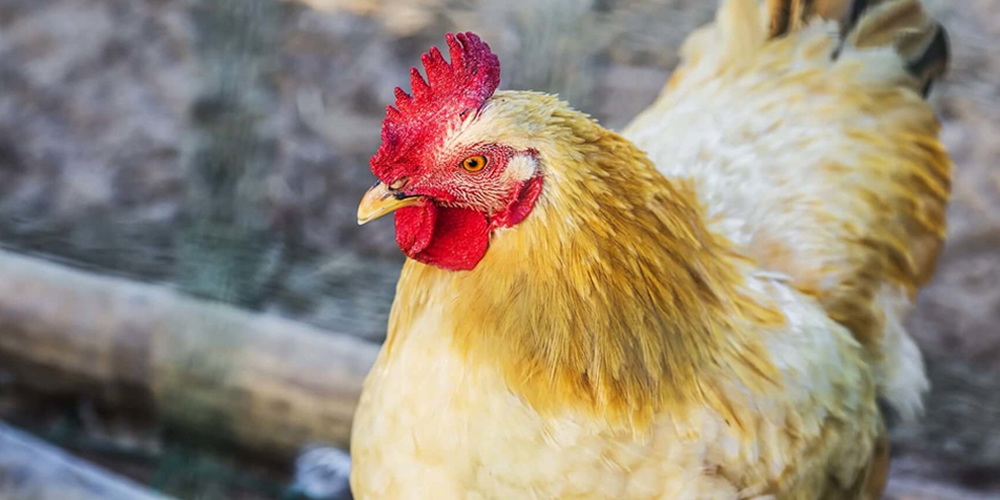
In 2020, Lihua Animal Husbandry, a major yellow feather broiler producer in China, slaughtered 323 million yellow broilers, a 12% increase year-on-year and accounting for 7.3% of the total national slaughter volume.
With its own great grandparent stock (GGPS) breeding facilities, Lihua has been engaged in breeding yellow feather broilers and adopted the 'company-cooperative-farmer' business model.
Although the company ventured into pig breeding in 2011, broiler was still its main business, which fetched a total sales revenue of ¥7.33 billion (US$1.1 billion) in 2020 — 89% of Lihua's income source. In January 2019, it issued 41.28 million shares on the Shenzhen Stock Exchange at ¥29.35 (US$4.61) per share.
By the end of 2020, Lihua has 54 subsidiaries in 11 provinces, including 22 for chicken production, 18 for pig production and nine for slaughtering and processing companies.
Since 2020, Lihua has focused on expanding its yellow feather chicken slaughtering and processing capacity, establishing eight new chilled and fresh chicken slaughtering and processing subsidiaries in Yangzhou, Hefei, Anqing, Taian, Anshun, Xuzhou, Weifang and Zigong.
Meanwhile, Lihua worked with supermarkets and retailing and e-commerce platforms like Hema Xiansheng, while exploring fresh food store models in southern Jiangsu and Shanghai with the intention to develop online and offline sales channels.
Last year, the company sold a total of 21,400 tonnes of chilled chicken and frozen products, a year-on-year increase of 12.%. The company said that, in the future, it will expedite its development in the slaughter and food segment.
Meeting hunger for yellow feather broilers
Currently, COVID-19 is compelling China's yellow feather broiler industry to expedite its modernisation, particularly in the slaughtering segment.
Pre-pandemic, about 80% of yellow feather broilers in China were slaughtered in live poultry markets. However, according to data released by the National Development and Reform Commission on March 19, 2020, 95% of live poultry markets have since closed due to COVID-19.
As Chinese residents strongly prefer live chicken to pre-slaughtered products, large players in the market, such as Wen's and Lihua, had only a small portion of their broilers sent to slaughterhouses. Moreover, a lack of capital, cold storage and logistics facilities, and sales personnel had also deterred these players from modifying their business practice. Now that the closure of live poultry markets seemed inevitable, yellow feather broiler producers are racing to reestablish their sales channels.
- David Lin, eFeedLink


