


January 23, 2024
ASF threatens wild swine populations, affecting livelihoods and ecosystems
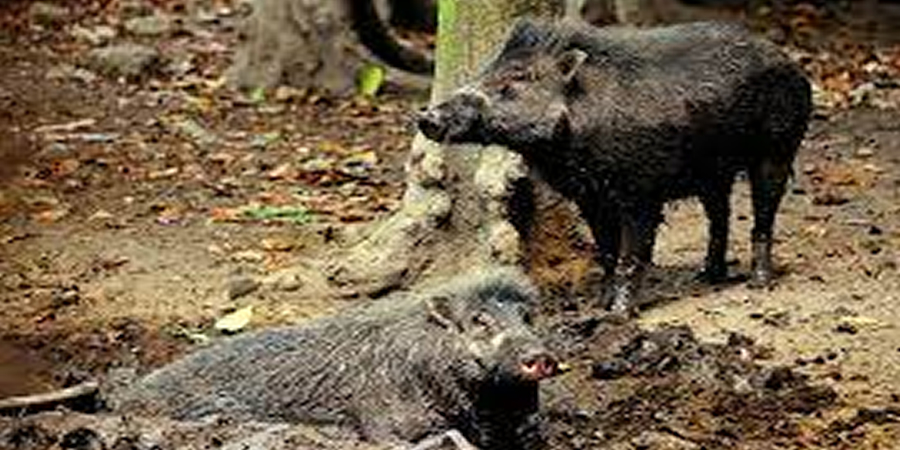
The global spread of African swine fever (ASF) is causing a severe decline in wild swine populations, posing a threat to the livelihoods of millions of people who rely on these animals for food, according to researchers, The Guardian reported.
With a nearly 100% fatality rate, ASF has devastated both domestic and wild swine populations across Asia, Europe, and Africa over the past two decades. Particularly impacted is Borneo in southeast Asia, where swine numbers have plummeted by 90% to 100% since the virus's arrival in 2021.
Published in the journal Science, the researchers highlight the crucial role these swine played as ecosystem engineers, dispersing seeds and contributing to the overall biodiversity of the region. The study reveals that ASF's rapid spread has led to the disappearance of wild swine populations, causing significant food security and poverty issues in communities that heavily depend on these animals for protein.
Bearded swine, once a common large mammal species on Borneo, have vanished, and the researchers fear a potential relisting of the species from vulnerable to critically endangered. The loss of this primary protein source is already affecting local cultures, as bearded swine once accounted for 81% of hunted wildlife in some villages. The researchers predict a shift in focus to hunting endangered species, exacerbating threats to biodiversity.
Beyond the direct impact on communities, the disappearance of wild swine has ecological consequences, affecting the dispersal of seeds and soil turnover. Urgent interventions are recommended to prevent the further spread of ASF and protect other regions from similar devastation. While positive results in vaccine trials offer hope for domestic pigs, vaccinating wild swine is deemed logistically complex and expensive.
Researchers stress the need for a broader perspective that considers the ecological and societal implications of ASF beyond its economic effects on the swine industry.
- The Guardian


