


January 22, 2026
Bangladesh's decision to ban import of day-old chicks causes concern among industry stakeholders
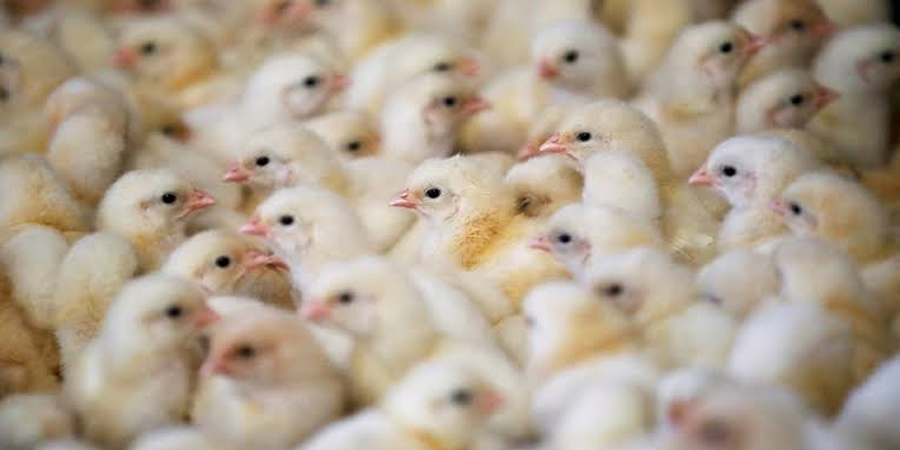
Industry stakeholders and experts in Bangladesh have expressed deep concern over the government's move to ban the import of day-old chicks (DOC) for commercial poultry farming.
In a statement, they warned that the decision, outlined in the draft "National Poultry Development Policy-2026," could jeopardise the country's ৳60,000 crore (US$4.92 billion) poultry industry, threaten food security, and drive up prices for general consumers.
The draft policy, published by the Ministry of Fisheries and Livestock on January 13, states in section 5.8.1.2 that imports of day-old chicks for commercial farming will be prohibited. Only grandparent stock and, in specific cases of extreme shortage, parent stock may be imported.
While the Department of Livestock Services (DLS) maintains the goal is to reduce import dependency and boost local production, stakeholders argue that the timing is premature.
The Bangladesh Poultry Industries Association (BPIA) pointed out that domestic production is currently reliant on a limited number of companies.
"If a major disease outbreak like bird flu hits these local facilities, production could stop instantly," an association representative stated. Without the option to import, such a disruption would lead to a massive shortage of broiler and layer chickens, causing prices to skyrocket.
Experts emphasise that poultry remains the most affordable source of animal protein for low- and middle-income families in Bangladesh.
"This policy could create a triple-threat crisis," said agriculturist Anjan Majumdar, a poultry production specialist. "The biggest losers will be marginal farmers and consumers. Before implementing such a ban, there must be a public hearing where all stakeholders can voice their opinions."
Professor Md. Saiful Islam of Sher-e-Bangla Agricultural University added that the administrative process for importing stock is already lengthy and complex. If a crisis occurs, the case-by-case permission mentioned in the draft would likely be too slow to stabilise the market.
BPIA president Mosharraf Hossain Chowdhury stressed that the priority should be ensuring that marginal farmers receive chicks at fair prices.
Furthermore, Professor Dr. Md. Bahanur Rahman, Dean of the Faculty of Veterinary Science at Bangladesh Agricultural University, told UNB that the government lacks large-scale production facilities of its own to intervene if private supply chains fail.
Industry insiders also criticised the draft for lacking clear directives on market management. They fear that banning imports will empower a small group of large domestic companies to form syndicates, leading to price manipulation.
In response to the criticism, ABM Khaleduzzaman, Director (Production) of the Department of Livestock Services, stated that the policy was designed to strengthen the industry in the long term.
"We believe the implementation of this policy will make the country's poultry sector more organised and prosperous," he said.
However, stakeholders are urging the Ministry to revise the draft to include a more realistic transition period and to focus on market regulation rather than outright import bans.
- UNB


