


January 22, 2025
Research points to positive impact of pork consumption on nutrient intake, diet quality
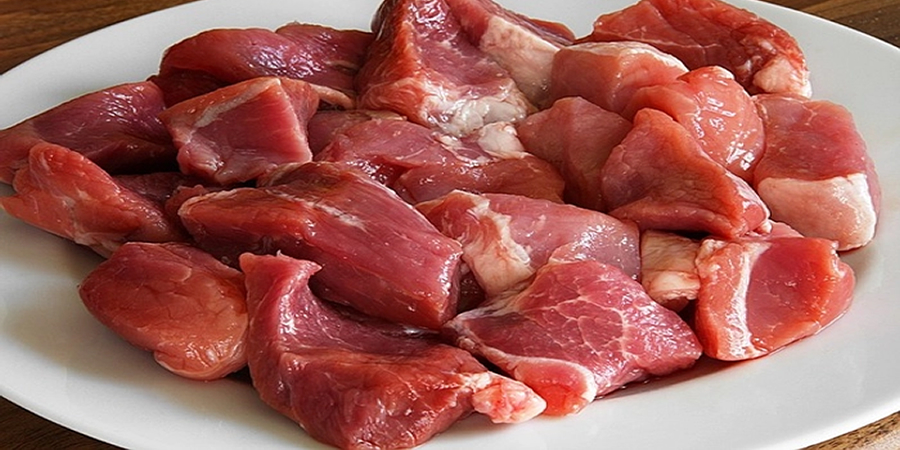
New research underscores the potential role of pork consumption in supporting dietary and muscle health in South Korean older adults.
Older adults are a nutritionally vulnerable population who often face unique challenges, including meeting daily protein and micronutrient requirements.
The study, conducted through a collaborative partnership between researchers from Gachon University in South Korea, Tufts University, Think Healthy Group, LLC, and other leading institutions, suggests that pork consumption may be positively linked to nutrient intake, diet quality, and handgrip strength - an indicator of overall muscle strength in older adults.
Using data from more than 2,000 participants aged 65 years and older from the Korean National Health and Nutrition Examination Survey (2016-2020), the researchers compared the dietary habits and health indicators of pork consumers and non-consumers. Findings showed that pork consumers showed beneficial relationships with:
- Greater intake of energy and nutrients such as protein, iron and B vitamins;
- Improved diet quality scores based on the Korean Healthy Eating Index, partially driven by a noted increase in total daily vegetable intakes;
- Higher handgrip strength, an accepted indicator of overall muscle strength and sarcopenia in older adults.
The authors of the research suggest that pork intake may indirectly impact diet quality by acting as a carrier food, promoting higher consumption of other healthful components of the South Korean diet (for example, green vegetables). This is the third study to confirm pork's role as a carrier food in diets around the globe.
Dr. Taylor C. Wallace, co-author, chief executive officer of Think Healthy Group, LLC, and adjunct professor at George Washington University and Tufts University, noted that the South Korean approach to pork consumption offers valuable insights for other countries aiming to improve the health of aging populations.
"In South Korea, pork is often consumed as fresh, lean cuts rather than heavily processed forms, and it is traditionally paired with an abundance of nutrient-rich vegetables," Dr. Wallace said. "This balance not only enhances diet quality but also delivers essential nutrients that older adults might otherwise lack, such as protein, iron, and several key vitamins."
Integrating lean pork into a balanced, culturally relevant diet can address common nutritional deficiencies in older adults while supporting muscle health, and this approach not only respects diverse food traditions but also fosters healthier aging globally, Wallace added.
The study emphasises the importance of cultural context, as pork consumption patterns vary significantly worldwide.
While the findings are specific to South Korea, they point to broader implications for aging populations globally. The authors advocate for clinical studies to confirm the benefits of pork consumption across different cultures and dietary contexts.
- National Pork Board


