


January 22, 2024
Bangladesh's aquaculture sector loses US$140 million over a decade due to climate change
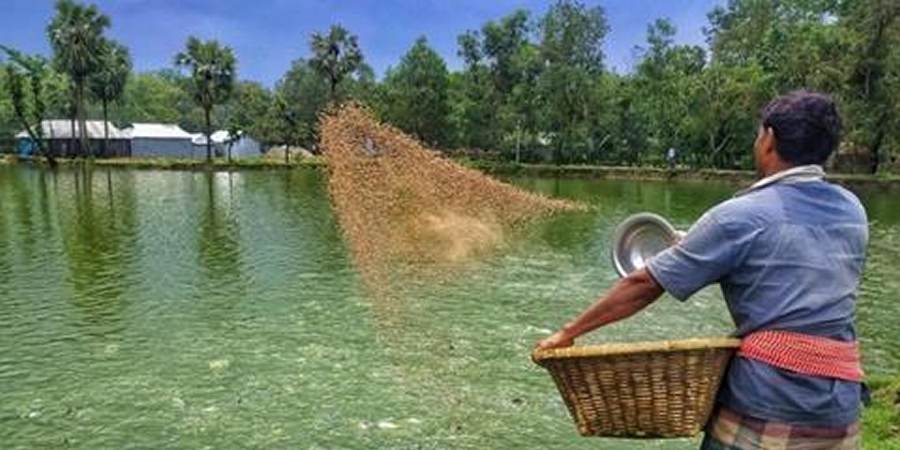
New analysis reveals that Bangladesh's aquaculture sector has incurred a significant loss of US$140 million over the past decade, primarily attributed to the impact of climate change, Phys.org reported.
Published in Climate Risk Management, the study underscores Bangladesh's vulnerability to increasing extreme weather events. The research suggests that effective climate information services can empower fish farmers to make informed decisions and manage production better in the face of climate-related challenges.
The analysis identifies flooding as the most financially damaging and frequent hazard for hatcheries, open water fish, and shrimp. Over the period from 2011 to 2020, floods resulted in the estimated loss of approximately 54,000 tonnes of aquaculture production, valued at US$93 million. Cyclones ranked as the second most damaging factor, causing the loss of 12,000 tonnes of fish products, worth a total of US$24.8 million.
The study advocates for climate information services as a crucial approach to reducing climate risks, providing valuable data to support adaptation, mitigation, and risk management decisions.
According to Peerzadi Rumana Hossain, a WorldFish scientist and lead author of the study, the successful implementation of climate services in aquaculture relies on support from policymakers. Collaborating with the Bangladesh Department of Fisheries, propositions for policy-level inclusion have been developed, aiming to integrate climate information into the sector's decision-making processes.
Hossain stressed the importance of conveying climate information generated by the Bangladesh Meteorological Department through the fisheries department, facilitating the production of advisories and effective climate risk management.
With more than 91% of global aquaculture production occurring in Asia, where Bangladesh ranks fifth globally, the study highlights the critical role of fish and fish-based foods in supplying 60% of the total daily animal protein intake for the country's population. However, climate-driven extreme weather events pose increasing challenges to fish farmers.
While aquaculture and fisheries contribute nearly 26% to Bangladesh's agricultural gross domestic product, the study emphasizes the lack of climate data on variability, making it challenging to evaluate climate risk management interventions. The researchers call for enhanced climate services to address these gaps and safeguard the aquaculture industry.
- Phys.org


