


January 20, 2026
Wagyu cattle producers in Australia get access to genetic test for embryonic mortality
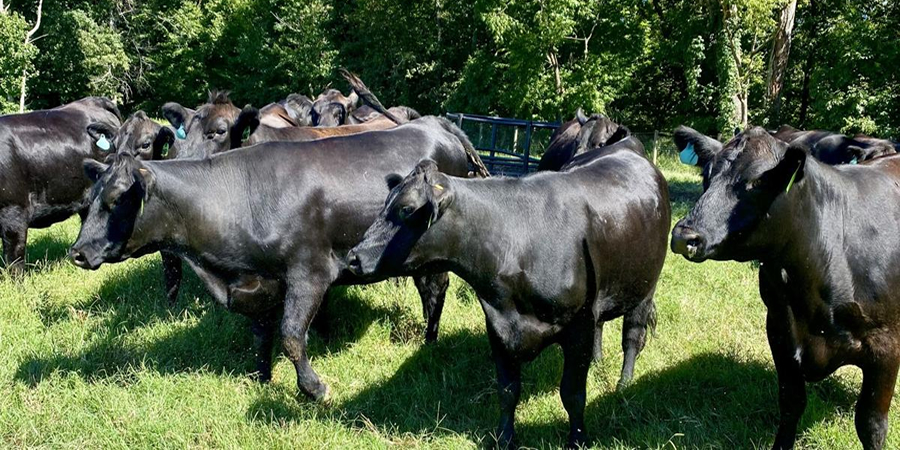
Australian Wagyu producers this year have access to a world-first breakthrough genetic test for embryonic mortality, which has been identified in Wagyu cattle.
A new DNA test for the Annexin A10 mutation is now available to Wagyu producers.
Annexins are a family of proteins that play critical roles in cellular processes such as inflammation, immune response, cellular growth, and cell death. Annexin A10 is an essential component of this family, and it is involved in regulating the function and stability of immune cells and tissues. Mutations or defects in the gene can result in disruptions of these necessary cellular processes.
A 2016 study identified a link between Annexin A10 mutations and embryonic mortality in cattle, particularly affecting early-stage pregnancies. The study suggested that Annexin A10 is a maternal genetic factor for embryonic mortality resulting in a higher rate of embryonic death, ultimately reducing reproductive efficiency in affected herds.
The Annexin A10 mutation in Wagyu cattle may impact animal health, reproductive success, and overall productivity:
- Embryonic mortality and reproductive challenges: The Annexin A10 mutation is linked to embryonic mortality, which can manifest as early-stage pregnancy loss or reduced embryo viability, significantly impact calving rates and, ultimately, the genetic progress of breeding programmes;
- Immune system weakness: With Annexins having primary roles in immune system functioning, Wagyu cattle with this defect may have an impaired immune system, making them more susceptible to diseases, particularly during times of stress.
The new test is the result of research supported by AWA where members provided DNA samples from 230 Wagyu calves to Professor Jon Beever at the University of Tennessee Genomics Centre for the Advancement of Agriculture, to identify genetic defects causing calf loss.
The new test, being delivered through Weatherbys Scientific, mark a step forward in maximising fertility and calving rates for the breed.
In the study, Professor Beever identified the occurrence of a known mutation in Annexin A10 in a cohort of the samples, and established a validation panel of positive and negative samples that DNA testing laboratories could use to prove their testing conditions for the AWA.
AWA chief executive officer Matt McDonagh said the mutation, which has no impact on economically important carcase traits, has been detected in 6% of the recorded Wagyu population.
"This test is really about increasing productivity and profitability by significantly improving the calving rate, particularly for high-value embryo programmes," Dr. McDonagh said.
"We can now offer this to our members as a standalone test, or as an add-on to other genotyping, and allow them to screen for the mutation prior to critical breeding decisions.
"Given the dominant maternal effect of this mutation, we recommend breeders test their youngest and highest-value females, particularly those intended for use in embryo programmes where multiple progeny are expected.
"All bulls being used should also be screened so they don't pass on the mutation to female progeny."
Weatherbys Scientific head of research and development Paul Flynn said the company was the first provider to offer testing for the Annexin A10 mutation.
"We congratulate AWA for their proactive research and investment in bringing this test to market for Wagyu producers," Flynn said.
"It concords with internal development that we have been conducting and meant we could quickly validate a test for AWA members.
"We are pleased to support them and remain committed to continuing our investment in R&D to develop solutions that will ensure the Australian Wagyu Association and its members continue to be one of the global beef industry's success stories."
- AWA


