


January 19, 2021
Factors pushing up feed prices entering 2022
At the beginning of the new year, why do feed companies collectively call for price increases?
On the first working day of 2022, some major aquatic feed manufacturers such as Haid and Tongwei issued notices of price increases, ranging from 200 to 300 yuan per tonne of feed, mainly for shrimp feed products. Several feed mills followed suit, lifting the prices of shrimp, crab, pig and poultry feeds.
This is a continuation of the rising price trends in 2021, against the tumbling prices of hog.
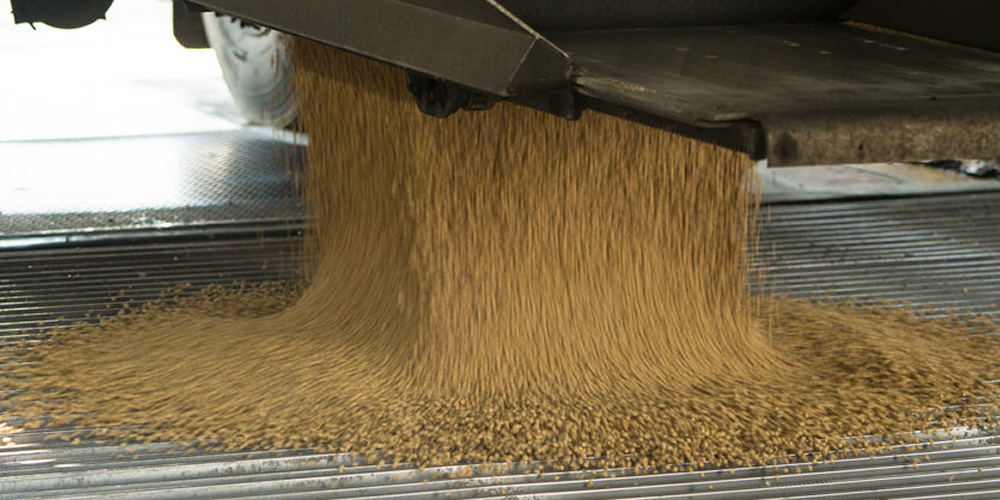
The main reason for the soaring prices of feeds is the cost rise of raw materials. For instance, a company in Yunnan claimed that the price increase of raw materials such as low-toxin corn, soybean meal, soybean oil, prime-grade fishmeal and other raw materials, coupled with a surge in transportation cost, have risen sharply recently, resulting in an increase in product cost pushed up feed production expenses.
The average domestic soymeal transaction price on January 13 was around 3,618 yuan/tonne, standing at its highest since October. However, compared to the record of over 4,000 yuan per tonne in January 2021, and the near-record high of 3,900 yuan per tonne last September, soymeal prices have indeed softened considerably.
Meanwhile, the price of corn, which strengthened since late October 2021, has actually stabilised since mid-to-late December. Overall, corn prices have increased less than 100 yuan per tonne, or 3.3%, compared with October 2021, averaging around 2,735 yuan per tonne.
Rising more steeply, the bran price climbed from 1,850 yuan per tonne since October to the current 2,160 yuan per tonne in January, an increase of nearly 17%. In addition, the price of prime-grade fishmeal rose steadily over the last month, climbing over 600-800 yuan per tonne to 12,000 yuan per tonne.
However, the rise in grains prices is only part of the story. Other factors have contributed to the price surge. On factor is the expansion of feed sales in the period leading to the Chinese New Year as feed producers secure supplies before the long festive holidays. Additionally, the pre-festive shortage of transportation capacity pushed up delivery costs while tightening availability. Other factors include the resurgence of the covid-19 infection cases in China, the adverse climates in some regions and the rise in energy costs in the country.


