


January 18, 2024
Kenya aims to boost fish production through aquaculture
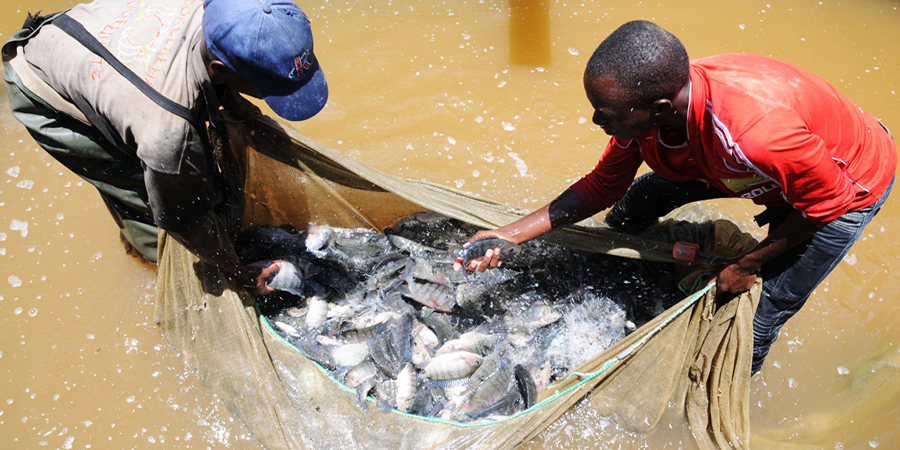
Kenya has witnessed a significant increase in fish production, surpassing 30,000 metric tonnes last year, marking a substantial improvement from previous years with as low as 4,000 metric tonnes annually, Kenya News Agency reported.
The government is committed to further enhancing this production by promoting aquaculture, providing seed (fingerlings) to farmers, and establishing centres of excellence for quality seed distribution.
Betsy Njagi, the Blue Economy and Fisheries principal secretary, highlighted the government's efforts to address the decline in capture fisheries by revitalizing aquaculture. This initiative aims to ensure food and nutritional security through a consistent supply of fish to both local and international markets. The government is also collaborating with the private sector to address challenges such as the provision of quality feeds, a major concern for fish farmers.
Njagi revealed that Kenya's Ministry of Fisheries, Aquaculture, and Blue Economy is partnering with the African Union-Inter African Bureau for Animal Resources (AU-IBAR) to revamp the aquaculture value chain not only in Kenya but across Africa.
While aquaculture currently contributes only 2% to the country's fish catch, there is a significant annual supply gap of 50,000 metric tonnes, projected to increase to 75,000 by 2030 if per capita fish consumption remains constant at 4.3 kg.
Speaking at the 2nd General Congress of Aquaculture Network for Africa (ANAF) in Naivasha, Njagi outlined challenges facing the fisheries sector, including poor-quality seed and the high cost of fish feed. The establishment of centres of excellence and the Kabonyo Fisheries Aquaculture Service and Training Centre of Excellence in Kisumu County are crucial steps in addressing these challenges.
Stakeholders have raised concerns over declining fish catches from capture fishing due to over-exploitation of marine ecosystems, making aquaculture a pivotal solution to bridge the supply gap. The government is committed to promoting the aquaculture sector for food security, income generation, and poverty alleviation.
Lucy Obungu, director of fisheries, said there is a need to combat illegal fishing, which contributes to revenue loss and dwindling fish stocks. Huyam Salim, director of AU-IBAR, stressed the potential of aquaculture in providing food security and economic empowerment across Africa, urging collaborative efforts between governments and the private sector.
David Balikowa from the East African Community (EAC) Secretariat highlighted the urgency to address emerging challenges in the aquaculture sub-sector, its crucial role in food security, nutritional well-being, and economic empowerment. Balikowa said EAC's is committed to promoting aquaculture within member states to meet local demand and counter international players exporting fish to the region.
- Kenya News Agency


