


January 13, 2026
All chickens at Nottinghamshire, England, UK farm to be culled following bird flu outbreak
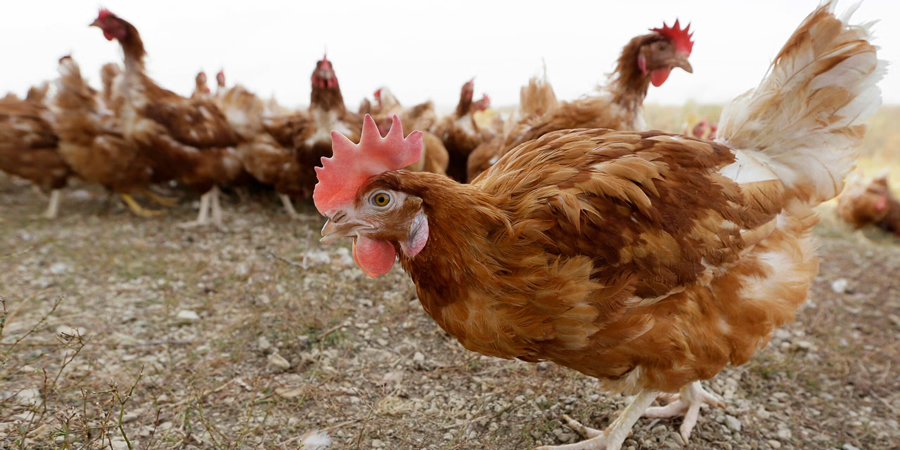
Every chicken at a commercial poultry site in Nottinghamshire, England, the United Kingdom, will be culled after a case of bird flu was confirmed.
The Department for Environment, Food, and Rural Affairs (Defra) said on January 8 that avian influenza had been confirmed at a site north of Langford, near Newark.
A protection zone of almost two miles (3 km) and an eight-mile (10 km) surveillance zone have been placed around the premises, with strict disease control measures on all birdkeepers nearby.
Birds kept at the site "will be humanely culled", a spokesperson for Defra said, but it has not been confirmed how many birds will be killed.
Defra said the highly pathogenic avian influenza (HPAI) H5N1 case was the latest to be confirmed in the Newark area, with bird flu also identified at a site in Ollerton Road near Little Carlton on December 31.
The protection zone measures restrict the movement of birds, meat, and eggs in the area.
Another case was confirmed on December 26 at a separate commercial farm, and similar restrictions were put in place. This followed the virus being found in the wild swan population on the River Trent in November.
So far, there have been 67 cases in England since the first confirmation in October.
A government spokesperson said: "We continue to closely monitor the avian influenza outbreak and any effects it may have on poultry producers.
"We urge birdkeepers to comply with the new housing measures in place to protect flocks across the country."
In October, extra housing measures were brought in for people with more than 50 birds in Nottinghamshire alongside other parts of England to mitigate the risk of further outbreaks of the disease.
An avian influenza prevention zone also remains in force across the entire country. This means all British birdkeepers must carry out biosecurity measures such as reporting changes in egg production, mandatory record keeping, disinfecting footwear, and cleansing and disinfecting housing and concrete walkways.
UK chief veterinary officer Christine Middlemiss said: "Avian influenza can be devastating for poultry farmers and cause serious welfare issues for the birds in their care. Birdkeepers should be vigilant to any signs of disease."
The bird flu virus spreads through droppings and saliva, or through contaminated feed and water.
Scientists said the current risk to humans is low.
Transmission from birds to humans is rare and there has been no sustained human-to-human transmission.
- BBC


