


January 14, 2026
Rabobank: Australian beef's high prices supported by export demand through most of 2025
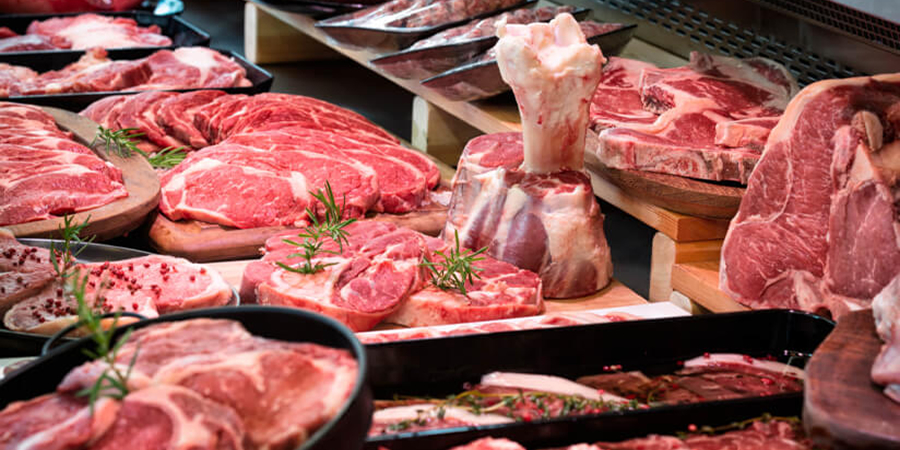
Export market demand has supported elevated prices for Australian beef through much of 2025, and favourable market conditions are expected to continue into 2026, according to agribusiness banking specialist Rabobank.
In its Global Animal Protein Outlook 2026, the bank's RaboResearch division said high cattle inventories will maintain elevated Australian beef production.
Rabobank's Angus Gidley-Baird said successive favourable seasons have allowed Australia's cattle breeding inventory to build, and cattle were now flowing through to markets.
"Even southern areas – which experienced dry conditions throughout 2024 and into 2025 and offloaded stock at the time – are likely to have seen production levels recover in the second half of 2025," he said.
"As such, 2025 production is projected to reach 2.86 million tonnes, up 11% year-on-year and a new record."
Gidley-Baird said with large cattle inventories in Australia, "we anticipate beef production in 2026 to remain steady at historically-high levels, reaching 2.85 million tonnes – the second highest production volume in Australia's history."
"Substantial production volumes will translate to ongoing elevated export volumes, with the US likely to remain the key market, accounting for 29% of total Australian beef exports in 2025," he said.
"South Korea (which accounted for 15% share of Australian beef exports in 2025) and Japan (16%) will remain important markets, while volumes to China (18%) are expected to rise, given the ongoing tensions between China and the US."
With sizable volumes of beef in the market, Gidley-Baird said cattle prices in 2026 will depend on producer sentiment and seasonal conditions.
"We believe that cattle prices will remain close to current levels, with some potential upside given the strong US market, and that the National Young Cattle Indicator will sit around A$4.30-$4.80/kg (US$2.88-3.22). However, if seasonal conditions deteriorate and producers lose confidence, high cattle inventories, and increased slaughter numbers will see prices contract," he said.
According to the RaboResearch outlook, the global animal protein industry is set to experience a slowdown in production growth in 2026, driven by both cyclical and structural factors.
Seafood and poultry will lead growth, while pork and beef production will contract. The sector faces challenges from disease outbreaks, trade disruptions and sustainability pressures, requiring strategic adaptation and technological integration from industry players.
RaboResearch global strategist animal protein Éva Gocsik said globally, while the bank expected feed costs to remain steady, a combination of lower protein supplies, rising volatility, and trade costs and disease pressure will weigh on margins.
"Processors (in regions where supplies are limited) may face ongoing challenges around capacity utilisation, as well as trade disruptions resulting from tariffs and other protectionist measures," Gocsik said. "All of this could raise costs, pressure demand, and ultimately squeeze margins. In both mature and developing markets, a focus on increasing efficiency and productivity will be critical at the farm and processor level."
According to Gocsik, with global gross domestic product growth projected to decelerate, consumers are likely to become increasingly price-sensitive, altering their consumption patterns.
At the same time, the rising use of glucagon-like peptide-1 agonists (GLP-1) weight loss medications is also likely to influence dietary choices.
"Price pressures within animal protein categories may lead consumers to trade down or switch between proteins, while consumers seeking protein-rich foods will potentially boost animal protein demand," she said.
- Sheep Central


