


January 13, 2026
Egypt's wheat imports dropped by 8% last year
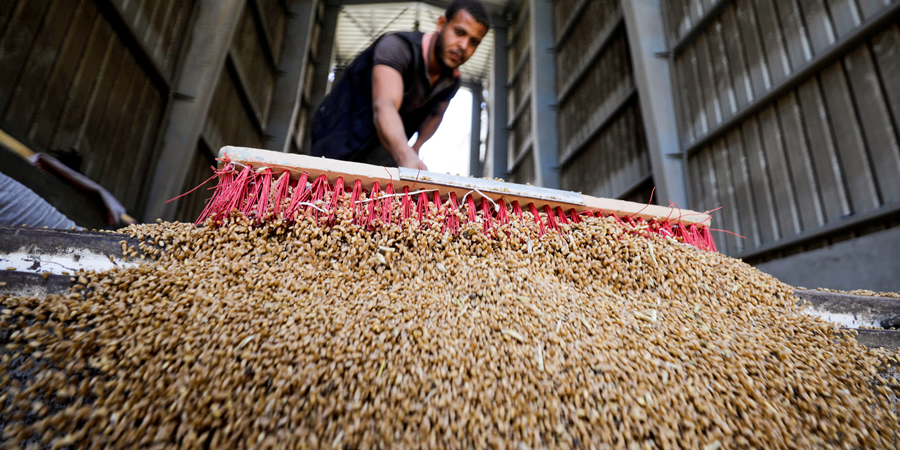
Egypt's wheat imports declined by about 8% in 2025 to 13.2 million tons.
The decrease in wheat imports is attributed to a rise in global prices by about 6%, reaching $250 per ton in 2025, in addition to a decrease in domestic demand for ‘fino' bread due to a decline in the purchasing power of citizens, as well as the return of a large number of Syrian and Sudanese refugees to their countries, according to Hisham Suleiman, director of Mediterranean Star Company for trade and grain imports in Egypt.
Wheat imports are also expected to continue to decline in 2026, according to four individuals, including government officials.
In 2025, Egypt's government wheat imports decreased by 15%, recording 4.5 million tonnes, according to a government official, who attributed this decline primarily to an increase in local wheat supplies.
The Egyptian government received about four million tonnes of local wheat in the 2025 season, an increase of about 18% from the previous year, according to official data, while it aims to receive about 4.5-5 million tonnes of local wheat in the upcoming season, according to statements by Minister of Supply Sherif Farouk.
The wheat planting season in Egypt begins in mid-November and lasts until the end of January each year, while harvesting starts from mid-April to mid-July.
Egypt is one of the largest wheat importers in the world, and its purchases are closely monitored as a global indicator. The country ranked among the highest wheat-consuming nations in the 2023-2024 season, with over 20 million tonnes, representing 2.6% of global consumption, according to a report from the US Department of Agriculture last October.
Agriculture Minister Alaa Farouk expects the cultivated area of wheat to increase during the current season by 13% to 3.5 million acres.
Farouk added that "the role of scientific research in innovating new varieties has contributed to a continuously and steadily increasing productivity," explaining that a 10% increase in productivity in the cultivated area is equivalent to planting a million new acres.
The minister also clarified that his country met the needs of tourists for wheat products last year while achieving the goal of reducing imports at the same time, noting the role of the Future Egypt Authority in cultivating new areas of wheat.
In a surprising move in December 2024, Egypt transferred the responsibility for wheat purchases from the Supply Commodities Authority, the usual government body for grain purchases, to the Future Egypt Authority as the exclusive importer.
The Minister of Agriculture confirmed the ongoing aim to reduce the wheat import bill, relying on increased local supply and increased cultivated areas during the current season.
- Sada Business


