


January 13, 2023
Nigeria targets to produce 1 million metric tonnes of wheat in upcoming season
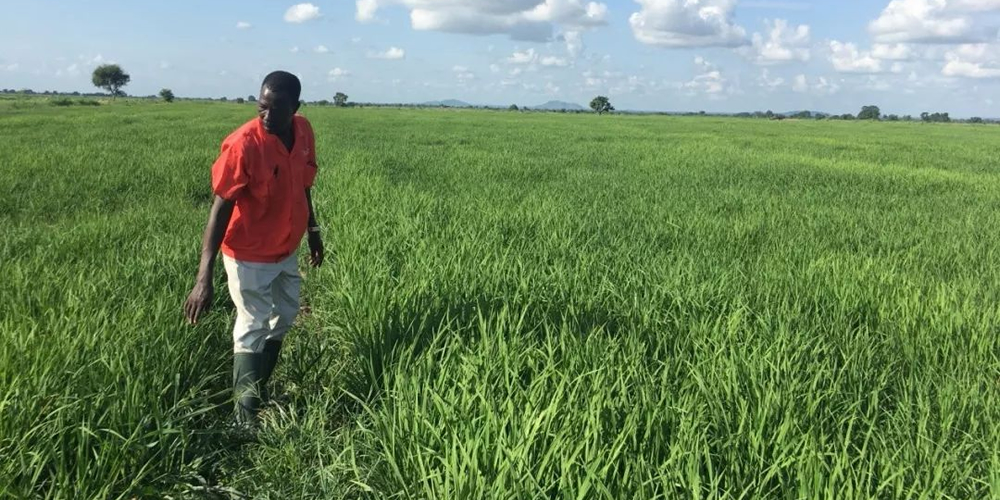
The Wheat Farmers Association of Nigeria (WFAN) said they will produce no less than 1 million metric tonnes of wheat in the upcoming 2022/23 season, cultivated over 350,000 hectares in Borno, Bauchi, Yobe, Kano, Jigawa, and Zamfara states, Zawya reported.
Salim Saleh Mohammed, former national president of WFAN, said that Nigeria's Federal Ministry of Agriculture and Rural Development, the Anchor Borrowers Programme of the Central Bank of Nigeria (CBN), and other interested private partners have made it possible for this to happen.
He said that the association anticipated receiving a lot of attention quickly in order to produce enough wheat for the country's expanding population.
Salim said in order to end the rise in the prices of essential commodities, particularly wheat farming, massive food production as well as technical and financial support to boost productivity are essential, adding that it will stop both internal and external supply shortages.
He also said that Nigeria has the potential to be the breadbasket for Africa, highlighting the importance of collaboration among the country's agricultural stakeholders.
In order to achieve the crucial synergy in identifying the difficulties they face and outlining strategies for improvement, he emphasised the need for stakeholders to engage with the government.
Dr Oluwashina Olabanji, a former executive director of the Lake Chad Research Institute (LCRI), said the Federal Ministry of Agriculture and Rural Development purchased and distributed some inputs, including seeds (300 metric tonnes), agrochemicals, and farm equipment to wheat farmers in Nigeria to help with the country's accelerated wheat production.
He said in some of Nigeria's wheat-growing states, the Flour Milling Association of Nigeria has planted 4000 hectares for the production of grain and seeds.
Olabanji said the promotion of local seed production by Nigeria's Agricultural Research Institutes and seed companies during the season helped the African Development Bank (AfDB) budget support for the country's wheat self-sufficiency take off. This allowed Nigeria to have enough high-quality and quantity wheat seeds to cultivate the proposed 250,000 hecares for the 2023/24 cropping season.
Despite the current global food crisis, he said Nigeria would soon have food security if the government's commitment to the agricultural sector was maintained.
He said it would take ten years of perseverance, with the help of the CBN and the African Development Bank (AfDB), to achieve wheat self-sufficiency, adding that the various programmes to boost wheat production are having an impact.
- Zawya


