


January 11, 2024
Iceland raises salmon farming taxes
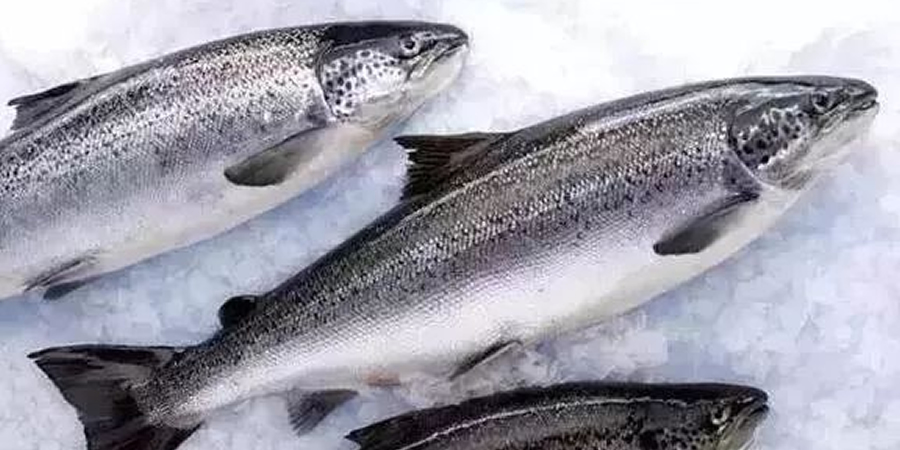
Salmon farmers in Iceland will experience a notable increase in taxes this year as the Reykjavik government has decided to raise the aquaculture fee from 3.5% to 4.3%, Fish Farmer reported.
Although an initial Ministry of Finance proposal suggested a 5% rise, it was ultimately rejected. The government, which finalised the decision before Christmas, anticipates that the new rates will generate ISK 2.1 billion (US$15.3 million) in 2024.
The aquaculture fee for this year translates to ISK 37.80 (US$0.28) per kg of gutted farmed salmon, a substantial increase from ISK 18.33 (US$0.13) a year ago. Rainbow trout will face a fee of around ISK 18.90 (US$0.14) per kg. The tax is calculated per kg produced, based on a percentage of the price per kg achieved in Iceland's Fish Pool commodities exchange.
The government's decision has faced criticism, with opponents suggesting that the eventual increase could be as much as 100%. Approximately half of the tax burden will be shouldered by companies in the Westfjords region, a key hub for Iceland's salmon activity.
Like Norway, a significant portion of the fee contributes to municipalities where aquaculture is conducted, potentially providing them with up to GBP 4 million (US$5.09 million) this year, while the remainder contributes to the Icelandic treasury.
This tax hike comes at a time when Iceland's fish farming industry is poised for significant legislative changes, with the government formulating a new long-term plan for the sector.
The Icelandic Association of Fishing Companies (SFS) expressed concern about the government's approach, suggesting it diverges from the guidelines proposed by the Boston Consulting Group last year. The consulting group recommended moderate fees and forward-thinking strategies for the growing industry in Iceland, contrasting with what SFS perceives as high and burdensome taxes in the current proposal.
- Fish Farmer


